Natural daylight has become an essential element in modern architecture and property design. Whether for commercial buildings, schools, warehouses, retail spaces, or residential properties, rooflights provide an effective way to increase daylight, improve energy efficiency, and create more comfortable indoor environments. Among the many options available today, dome rooflights remain one of the most practical and cost-effective solutions.
If you are looking to shop dome rooflights, understanding their features, benefits, and applications can help you make an informed decision. These versatile rooflighting systems are designed to maximise natural light while offering durability, weather resistance, and long-term performance.
What Are Dome Rooflights?
Dome rooflights are raised roof glazing units typically installed on flat or low-pitched roofs. Their curved or domed shape helps capture sunlight from multiple angles throughout the day, providing consistent illumination inside a building.
Manufactured using advanced glazing materials, dome rooflights are commonly used in:
- Commercial buildings
- Schools and educational facilities
- Warehouses and factories
- Retail units
- Healthcare facilities
- Residential extensions
- Apartment buildings
Their design allows rainwater to run off efficiently while reducing dirt accumulation, making them a practical solution for many property types.
Why More Property Owners Shop Dome Rooflights
Many architects, contractors, and property owners choose dome rooflights because they offer numerous advantages compared to traditional roof windows.
Some key benefits include:
Excellent Daylight Performance
Dome rooflights capture sunlight from different directions throughout the day. This results in better daylight distribution across interior spaces, reducing reliance on artificial lighting.
Energy Efficiency
By increasing natural daylight, buildings can reduce electricity consumption during daytime hours. Many modern rooflights also feature energy-efficient glazing that helps maintain indoor temperatures.
Weather Resistance
The domed design naturally sheds rainwater, helping prevent water pooling and improving long-term weather performance.
Durability
Modern dome rooflights are manufactured using robust materials designed to withstand challenging weather conditions, UV exposure, and impact.
Low Maintenance
Their curved design minimises dirt build-up, reducing cleaning requirements compared to flat glazing systems.
These benefits explain why many building professionals continue to shop dome rooflights when planning both new construction and refurbishment projects.
Applications Across Commercial Buildings
Commercial properties often require practical daylighting solutions that balance performance, durability, and affordability.
Dome rooflights are commonly installed in:
Warehouses
Large warehouse spaces often have limited access to natural daylight. Rooflights help brighten work areas while reducing lighting costs.
Offices
Natural daylight can create a more productive and pleasant working environment for employees.
Schools
Educational facilities benefit from increased daylight, helping create comfortable learning spaces while improving energy efficiency.
Retail Units
Well-lit retail environments can enhance customer experience and improve product visibility.
Healthcare Facilities
Hospitals and healthcare centres increasingly incorporate natural light into building designs to create more welcoming environments.
For these reasons, commercial developers frequently shop dome rooflights as part of their building design strategy.
Understanding Different Glazing Materials
The glazing material used in a dome rooflight significantly impacts its performance, durability, and insulation properties.
Acrylic Glazing
Acrylic is a popular option due to its clarity and affordability. It offers good light transmission and weather resistance.
Polycarbonate Glazing
Many building owners choose polycarbonate roof light domes because they provide exceptional impact resistance and durability. Polycarbonate can withstand demanding environmental conditions while maintaining excellent light transmission.
This makes polycarbonate particularly suitable for commercial and industrial applications where additional strength is required.
Multi-Layer Glazing
Modern rooflights may feature double, triple, or multi-wall glazing systems that improve thermal performance and reduce heat loss.
Selecting the right glazing specification depends on the building’s location, energy requirements, and intended use.
Benefits of Natural Daylight in Buildings
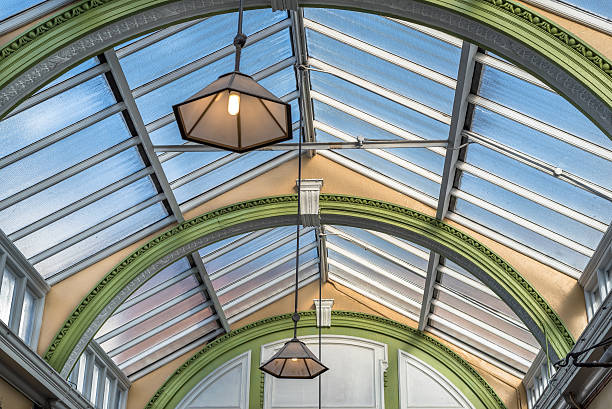
Natural light delivers benefits that extend beyond simple illumination.
Improved Occupant Wellbeing
Research consistently shows that exposure to natural daylight can contribute to improved mood and comfort.
Reduced Energy Costs
Buildings that maximise daylight often require less artificial lighting during working hours, resulting in lower energy consumption.
Enhanced Building Appearance
Bright, naturally lit spaces generally feel more spacious and inviting than artificially lit environments.
Sustainable Design
Incorporating rooflights supports sustainable building practices by reducing energy demand and improving environmental performance.
As sustainability becomes increasingly important, more project teams continue to shop dome rooflights for daylight-focused building designs.
Choosing the Right Rooflight for Flat Roofs
Flat roof applications require specially designed rooflighting systems capable of managing water effectively while delivering excellent daylight performance.
Many architects specify flat roof dome skylights because they combine the benefits of traditional rooflights with a design specifically engineered for flat roof installations.
These systems typically provide:
- Effective rainwater drainage
- Strong thermal performance
- Reliable weatherproofing
- High levels of natural daylight
- Long service life
Their versatility makes them suitable for both commercial and residential projects.
Key Factors to Consider Before Purchasing
When selecting dome rooflights, several important factors should be evaluated.
Size and Dimensions
Rooflight size directly affects daylight performance. Larger units generally introduce more natural light into the building.
Thermal Efficiency
Energy-efficient glazing options can help reduce heat loss and improve building performance.
Ventilation Requirements
Some rooflights include ventilation capabilities, allowing fresh air circulation in addition to daylight provision.
Security
Commercial buildings may require additional security features depending on their location and use.
Building Regulations
Always ensure rooflights comply with relevant UK building regulations and performance standards.
Carefully assessing these requirements will help you select the most appropriate product when you shop dome rooflights.
Modern Materials and Manufacturing Standards
Rooflight technology has evolved considerably over recent years. Today’s products are designed to meet demanding performance requirements while maintaining visual appeal.
Advanced manufacturing techniques now deliver:
- Improved thermal insulation
- Enhanced UV protection
- Better impact resistance
- Longer service life
- Superior weather performance
Many modern systems also feature sustainable materials and environmentally responsible manufacturing processes.
These innovations provide long-term value for property owners and developers alike.
Comparing Dome Rooflights with Other Rooflighting Options
Several rooflighting solutions are available on the market, each offering unique advantages.
Dome Rooflights
Advantages include:
- Cost-effective installation
- Excellent weather performance
- Wide range of sizes
- Suitable for flat roofs
- Strong durability
Flat Glass Rooflights
Advantages include:
- Contemporary appearance
- Minimalist design
- Premium aesthetic appeal
Roof Windows
Advantages include:
- Ventilation options
- Suitable for pitched roofs
- External views
For many commercial projects, dome rooflights continue to provide an ideal balance of affordability, performance, and durability.
The Growing Popularity of Plastic Dome Rooflights
Many commercial and industrial projects utilise plastic dome roof lights because they offer an excellent combination of strength, affordability, and low maintenance.
Modern plastic glazing technologies have improved significantly, providing:
- High impact resistance
- Excellent weather durability
- Effective UV protection
- Long operational lifespan
- Cost-effective installation
These characteristics make them particularly attractive for large-scale developments where performance and budget considerations are equally important.
Installation Considerations
Professional installation plays a vital role in achieving optimal rooflight performance.
Proper installation ensures:
- Effective waterproofing
- Correct thermal performance
- Structural integrity
- Compliance with regulations
- Long-term durability
Working with experienced rooflight suppliers and installers helps minimise risks and maximise performance throughout the product’s lifespan.
Future Trends in Rooflighting Design
As building regulations continue to focus on sustainability and energy efficiency, rooflighting systems are expected to become even more advanced.
Emerging trends include:
- Improved thermal technologies
- Smart glazing systems
- Enhanced sustainability credentials
- Better daylight optimisation
- Integrated ventilation solutions
These developments will further strengthen the role of rooflights in modern building design.
See also: Top Reasons to Hire Bus Accident Lawyers After a Serious Collision
Conclusion
Natural daylight remains one of the most valuable resources in building design, improving comfort, reducing energy consumption, and enhancing overall building performance. Whether for commercial, industrial, educational, or residential projects, dome rooflights provide a reliable and cost-effective solution for introducing daylight into interior spaces.
When you shop dome rooflights, it is important to consider factors such as glazing materials, thermal efficiency, installation requirements, and long-term durability. Choosing the right rooflight system can deliver years of dependable performance while supporting sustainable building objectives.
From robust commercial installations to modern residential developments, dome rooflights continue to offer an effective way to create brighter, more energy-efficient environments. By investing in quality rooflighting products and professional installation, property owners can maximise the benefits of natural light while improving the functionality and value of their buildings for years to come.