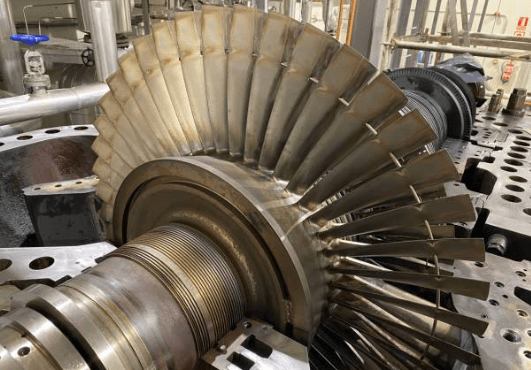
Industrial power generation facilities face constant pressure to improve efficiency, reduce maintenance costs, and maximize equipment uptime. Whether operating in the energy, manufacturing, oil and gas, or utility sectors, organizations rely heavily on turbines to maintain consistent production and operational performance. However, replacing major turbine components with brand-new parts can be expensive and often involves long lead times.
This is where refurbished industrial gas turbine parts provide a practical and economical solution. Refurbished components offer the reliability needed for demanding industrial environments while helping organizations control maintenance budgets and extend the service life of critical equipment.
Understanding Refurbished Industrial Gas Turbine Parts
Modern gas turbines operate under extreme temperatures, pressures, and rotational speeds. Over time, components such as blades, vanes, combustors, rotors, and nozzles experience wear and degradation. Instead of replacing these parts entirely, many operators choose refurbished industrial gas turbine parts that have been restored to meet stringent performance and quality standards.
The refurbishment process typically includes:
- Detailed inspections
- Non-destructive testing
- Dimensional verification
- Precision machining
- Surface restoration
- Coating applications
- Performance validation
By restoring components to operational specifications, refurbishment helps organizations achieve dependable turbine performance without the significant cost of new equipment.
Why Industries Choose Refurbished Components
Power producers and industrial operators are increasingly turning to refurbished turbine solutions because they offer multiple advantages beyond cost savings.
Lower Maintenance Costs
One of the primary reasons companies invest in refurbishment is financial efficiency. Purchasing new turbine parts can require substantial capital expenditures. Refurbished components often provide equivalent functionality at a significantly lower cost.
This allows maintenance teams to allocate resources more effectively while still maintaining operational reliability.
Reduced Lead Times
New turbine components may require extended manufacturing schedules, particularly for specialized or discontinued models. Refurbished parts are often available more quickly, minimizing downtime and supporting faster maintenance turnarounds.
Improved Asset Life
Refurbishment extends the lifespan of valuable turbine assets. Instead of replacing entire assemblies, operators can restore critical components and continue using existing equipment for many additional years.
Sustainability Benefits
Refurbishing turbine parts supports environmental sustainability by reducing material waste and lowering the demand for raw manufacturing resources. This aligns with modern corporate sustainability initiatives and energy-efficiency goals.
See also: Creating a Vision for Business Success
Key Components Commonly Refurbished
Many turbine components can successfully undergo refurbishment processes while maintaining operational performance.
Turbine Blades
Blades experience continuous exposure to high temperatures and mechanical stress. Refurbishment may include crack repair, coating restoration, dimensional correction, and balance adjustments.
Vanes and Nozzles
Stationary components often suffer from thermal fatigue and erosion. Restoration processes help recover aerodynamic efficiency and improve operational reliability.
Combustion Components
Combustion liners, transition pieces, and fuel nozzles frequently require repair due to heat-related degradation. Refurbishment can restore these critical components to acceptable operational standards.
Rotors and Shafts
Major rotating assemblies can often be inspected, repaired, and reconditioned rather than completely replaced, delivering substantial cost savings.
The Role of Quality Assurance in Turbine Refurbishment
Not all refurbishment programs deliver the same results. High-quality restoration requires strict engineering procedures and extensive testing protocols.
Reliable providers typically implement:
- Comprehensive engineering assessments
- Advanced material analysis
- Precision machining techniques
- Thermal coating technologies
- Dimensional inspections
- Performance verification testing
These quality-control measures ensure refurbished components meet operational requirements and industry standards.
Organizations should always work with experienced specialists who understand turbine engineering and have proven refurbishment expertise.
Refurbished Industrial Gas Turbine Capital Consumables and Long-Term Asset Management
Many operators incorporate refurbished industrial gas turbine capital consumables into broader asset management strategies. These consumable components represent critical maintenance items that require periodic replacement or restoration throughout a turbine’s operational lifecycle.
Strategic planning for capital consumables offers several benefits:
- Predictable maintenance budgeting
- Reduced emergency repairs
- Improved equipment availability
- Better inventory management
- Enhanced lifecycle planning
By integrating refurbishment programs into preventive maintenance schedules, facilities can significantly improve operational efficiency while reducing overall ownership costs.
Supporting Modern Power Infrastructure Through Steam Turbine Parts Manufacturing
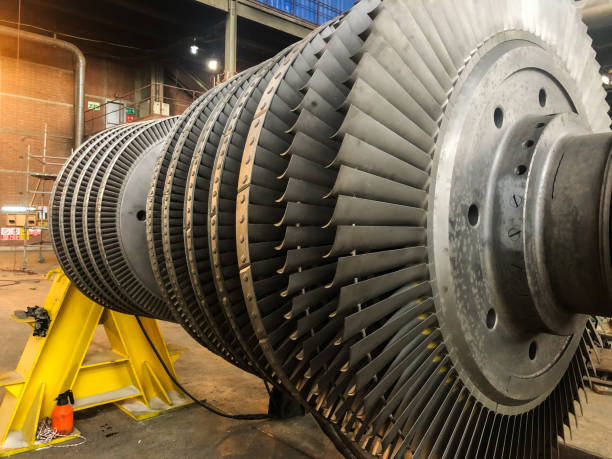
Although gas turbines dominate many industrial applications, steam turbines remain essential in numerous power generation facilities. High-quality steam turbine parts manufacturing plays a critical role in maintaining operational reliability across combined-cycle and traditional power plants.
Modern manufacturing techniques help produce precision-engineered components capable of withstanding demanding operating conditions. Advanced metallurgy, machining technologies, and quality-control processes contribute to improved durability and efficiency.
When refurbishment and manufacturing services work together, operators gain access to comprehensive lifecycle support for both gas and steam turbine systems.
Advancements in Gas Turbine Parts Manufacturing
The turbine industry continues to benefit from technological innovation. Today’s gas turbine parts manufacturing processes utilize advanced engineering methods that improve performance, consistency, and reliability.
Key advancements include:
Precision CNC Machining
Modern machining systems produce highly accurate components with extremely tight tolerances, ensuring proper fit and operational performance.
Advanced Materials Engineering
Manufacturers now use sophisticated alloys and coatings designed to withstand extreme temperatures and corrosive environments.
Digital Inspection Technologies
Laser scanning and computerized inspection systems provide detailed measurements and quality verification throughout the manufacturing process.
Enhanced Surface Treatments
Protective coatings help reduce oxidation, corrosion, and thermal degradation, extending component lifespan.
These innovations support both new production and refurbishment efforts, enabling operators to maximize equipment performance.
Choosing the Right Turbine Parts Supplier
Selecting an experienced turbine parts supplier is one of the most important decisions for facility managers and maintenance teams.
The right supplier should offer:
Extensive Industry Experience
Suppliers with a proven track record understand the complexities of industrial turbine systems and can provide reliable technical guidance.
Engineering Expertise
Strong engineering capabilities ensure accurate evaluations, effective repairs, and dependable component performance.
Comprehensive Service Offerings
The best providers support customers through inspection, refurbishment, manufacturing, testing, inventory management, and technical consultation.
Quality Certifications
Recognized quality standards demonstrate a commitment to consistency, safety, and operational excellence.
Fast Response Times
Timely support helps minimize downtime and ensures maintenance projects remain on schedule.
A trusted supplier becomes a valuable partner in maintaining operational reliability and optimizing lifecycle costs.
Best Practices for Maximizing Turbine Performance
Organizations can further enhance the value of refurbishment programs by implementing proactive maintenance strategies.
Conduct Regular Inspections
Routine inspections help identify wear patterns before they develop into major failures.
Maintain Detailed Service Records
Accurate maintenance documentation supports informed decision-making and long-term asset planning.
Use Predictive Maintenance Technologies
Condition-monitoring systems can detect developing issues early, allowing maintenance teams to take corrective action before significant damage occurs.
Partner with Experienced Specialists
Working with qualified turbine experts ensures components receive proper evaluation, repair, and validation.
Plan Outages Strategically
Well-planned maintenance outages reduce operational disruptions and improve project efficiency.
By combining these practices with high-quality refurbishment solutions, facilities can maximize equipment availability and operational performance.
Future Trends in Turbine Refurbishment
As industrial operators continue seeking greater efficiency and sustainability, refurbishment services are expected to become even more important.
Emerging trends include:
- Advanced additive manufacturing techniques
- Improved thermal barrier coatings
- AI-assisted inspection systems
- Digital twin technology
- Enhanced predictive maintenance solutions
- More sustainable restoration processes
These innovations will help further improve reliability, reduce costs, and extend equipment life across industrial power generation sectors.
Powering the Next Generation of Industrial Reliability Through Strategic Turbine Lifecycle Solutions
Investing in refurbished industrial gas turbine parts is more than a cost-saving measure—it is a strategic approach to maximizing asset value, improving operational reliability, and supporting sustainable industrial growth. By combining expert refurbishment practices, advanced engineering technologies, and proactive maintenance planning, organizations can significantly extend the life of critical turbine equipment.
Whether managing power plants, manufacturing facilities, or energy infrastructure, businesses that incorporate refurbished industrial gas turbine parts into their maintenance strategies gain greater flexibility, reduced downtime, and stronger long-term performance. Partnering with experienced turbine specialists ensures access to the expertise, quality standards, and technical support needed to keep operations running efficiently in an increasingly competitive industrial landscape.