Modern distribution centers are under constant pressure to fulfill orders faster, improve accuracy, and optimize operating costs. As consumer expectations continue to rise, businesses are turning to warehouse automation to streamline processes and remain competitive.
From automated storage systems to conveyor technology and robotics, warehouse automation is transforming how products are stored, picked, and shipped. Companies looking to maximize efficiency often work with experienced providers such as MTLI Group to design facilities that support long-term growth and productivity.
Understanding Warehouse Automation
Warehouse automation refers to the use of technology, machinery, and software to perform warehouse tasks with minimal human intervention. These systems help organizations improve speed, accuracy, and overall operational efficiency.
As supply chains become more complex, businesses are increasingly investing in automated solutions to manage inventory and fulfill customer demands more effectively.
What Does Warehouse Automation Include?
Warehouse automation encompasses technologies such as conveyors, robotics, automated storage and retrieval systems (ASRS), barcode scanners, and warehouse management software. These systems work together to reduce manual processes and improve productivity. By automating repetitive tasks, warehouses can handle higher order volumes with greater accuracy and consistency.
Why Businesses Are Adopting Automation
Growing order volumes and labor shortages have encouraged companies to embrace warehouse automation. Automated systems help reduce errors, increase throughput, and create a safer working environment. Businesses that invest in automation gain a competitive advantage and are better positioned to meet changing customer expectations.
Why Modern Distribution Centers Need Automation
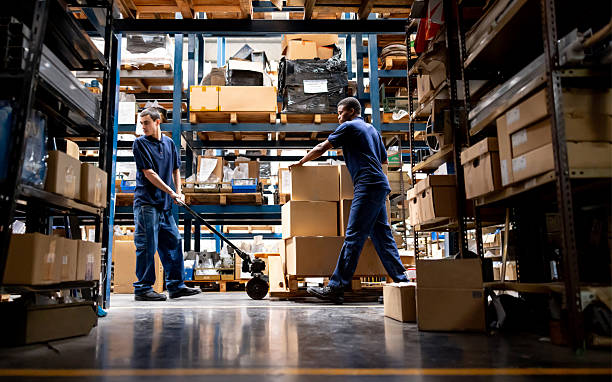
Distribution centers are expected to process thousands of orders daily while maintaining speed and accuracy. Manual operations often struggle to keep pace with demand, leading to delays and higher costs.
Warehouse automation enables facilities to operate more efficiently and adapt to changing market conditions.
See also: Creating a Vision for Business Success
Faster Order Fulfillment
Speed has become a key factor in customer satisfaction. Warehouse automation accelerates picking, packing, and shipping processes by reducing the need for manual handling. Automated systems ensure products move quickly through the facility, helping businesses deliver orders faster and improve customer experiences.
Improved Inventory Accuracy
Accurate inventory management is essential for preventing stock shortages and overstocking. Automated technologies track inventory in real time and reduce human errors. With better visibility into stock levels, businesses can make informed decisions and maintain smoother operations throughout the supply chain.
Key Benefits of Warehouse Automation
Implementing warehouse automation provides significant advantages beyond operational efficiency. Businesses can lower costs, enhance workplace safety, and improve scalability for future growth.
Companies partnering with experts like MTLI Group often experience measurable improvements in productivity and profitability.
Reduced Labor Costs
Automation minimizes the need for repetitive manual tasks, allowing employees to focus on higher-value activities. While automation requires an upfront investment, it can significantly reduce long-term labor expenses. This helps businesses address workforce shortages and maintain operational efficiency without increasing staffing levels.
Increased Productivity
Automated systems work continuously with minimal downtime, enabling warehouses to process more orders in less time. Higher throughput means businesses can meet customer demand without sacrificing quality. Increased productivity also supports business expansion and helps companies remain competitive in evolving markets.
Enhanced Workplace Safety
Warehouse environments can present risks associated with lifting heavy materials and operating equipment. Automation reduces employee exposure to hazardous tasks, creating a safer workplace. Improved safety not only protects workers but also minimizes disruptions caused by workplace injuries and accidents.
The Role of Facility Design in Automation
Successful warehouse automation requires more than advanced equipment. Facilities must be designed to accommodate automated systems and support future expansion.
This is where the expertise of a commercial construction company becomes valuable. Proper planning ensures seamless integration and long-term efficiency.
Importance of Smart Facility Layouts
A well-designed layout improves material flow and maximizes storage capacity. Strategic placement of equipment and workstations minimizes congestion and reduces travel time. Smart facility designs help automated systems operate efficiently while supporting changing business needs and increased throughput.
Working with Experienced Industry Partners
Choosing the right commercial construction company is essential when building or upgrading distribution centers. Experienced partners understand how to integrate automation technologies into facility designs. MTLI Group provides end-to-end solutions that help businesses optimize operations and create efficient warehouse environments.
Future Trends in Warehouse Automation
The future of warehouse automation continues to evolve with advancements in artificial intelligence, robotics, and data analytics. These innovations are helping warehouses become smarter and more responsive.
Businesses that invest in emerging technologies today will be better prepared for tomorrow’s challenges.
Artificial Intelligence and Predictive Analytics
Artificial intelligence enables warehouses to analyze large amounts of data and optimize operations in real time. Predictive analytics can forecast demand patterns and improve inventory planning. These technologies help businesses make proactive decisions and maintain efficient supply chain performance.
Robotics and Autonomous Systems
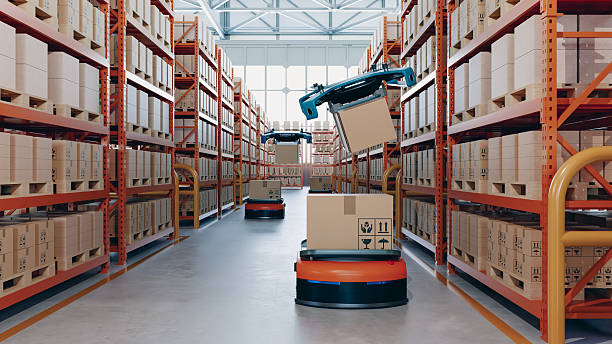
Robots and autonomous vehicles are becoming increasingly common in modern warehouses. They assist with picking, transporting, and sorting products while reducing dependence on manual labor. As technology advances, robotics will continue to enhance productivity and support scalable warehouse operations.
Conclusion
As supply chains become more demanding, warehouse automation is no longer a luxury but a necessity for modern distribution centers. Automated systems improve efficiency, reduce costs, enhance safety, and support long-term growth.
Businesses seeking reliable solutions can benefit from partnering with experienced providers like MTLI Group. By combining innovative technologies with strategic facility planning and expertise from a trusted commercial construction company, organizations can create highly efficient warehouses that are prepared for the future.