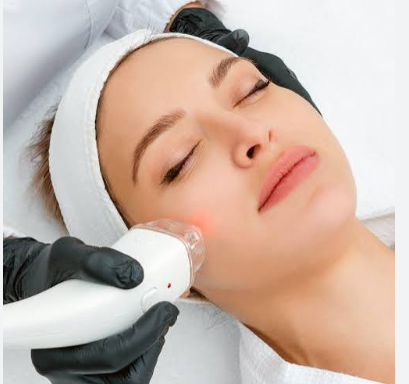
Laser treatment is often spoken about as if it were one procedure. Patients say, “I want a laser for pigmentation,” “I want a laser for scars,” or “I want a laser for hair removal,” as though the same machine can handle every concern in the same way. That is not how medical laser care works. Different skin concerns need different wavelengths, settings, treatment depths, safety checks, and recovery plans. This is why laser dermatology treatments in Chennai should always begin with a dermatologist-led assessment rather than a quick package recommendation.
The same laser approach cannot safely treat every patient. Acne scars, pigmentation, unwanted hair, tattoo pigment, dullness, open pores, vascular marks, and skin texture concerns all behave differently. The dermatologist’s job is to match the laser to the diagnosis, skin tone, concern depth, and patient expectation.
The First Step Is Not the Laser. It Is the Diagnosis.
A good laser plan starts with one question: what exactly is being treated?
This matters because two concerns may look similar but need completely different care.
For example:
- Dark spots may be acne marks, melasma, tanning, freckles, or post-inflammatory pigmentation.
- Uneven texture may come from acne scars, enlarged pores, roughness, or ageing-related collagen loss.
- Facial hair may be hormonal, genetic, or related to another underlying condition.
- Redness may be vascular, inflammatory, acne-related, or irritation-driven.
If the diagnosis is wrong, the laser choice can also be wrong.
That is where many poor outcomes begin. The patient receives “laser treatment” before anyone has properly identified what the skin actually needs.
Pigmentation Lasers Need Careful Selection
Pigmentation treatment is one of the most common reasons patients ask about lasers. But pigmentation is also one of the areas where caution matters most, especially in Indian skin tones.
Laser treatment may be considered for certain pigment concerns, such as:
- Sun spots
- Freckles
- Some types of dermal pigmentation
- Selected acne marks
- Uneven tone
- Certain resistant pigmentation patches
But not every pigmentation concern should be treated aggressively with a laser.
Melasma, for example, can worsen if handled incorrectly. Post-inflammatory pigmentation can darken if the skin is irritated. Recent tanning can increase risk. A weak skin barrier can react badly.
A dermatologist may first recommend sunscreen, creams, peels, or barrier repair before considering laser.
Acne Scar Lasers Work Differently
Acne scars are not the same as acne marks.
Marks are usually colour changes. Scars are structural changes in the skin.
Acne scars may appear as:
- Ice-pick scars
- Boxcar scars
- Rolling scars
- Textural unevenness
- Depressed areas
- Enlarged pores
- Mixed scar patterns
Laser treatment for scars usually focuses on remodelling the skin and stimulating collagen. This may involve fractional laser or other resurfacing methods, depending on the scar type and skin tone.
Scar treatment often needs multiple sessions. It may also be combined with other procedures such as subcision, microneedling, peels, or medical acne control.
The important point is this: scar laser is not the same as pigmentation laser.
Laser Hair Reduction Has a Different Goal
Laser hair reduction targets hair follicles. It is not designed to treat pigmentation, scars, or skin texture.
The goal is to reduce unwanted hair growth over multiple sessions by targeting pigment in the hair follicle. This works best when there is contrast between hair and surrounding skin, especially with coarse, darker hair.
The dermatologist may consider:
- Hair thickness
- Hair colour
- Skin tone
- Area being treated
- Hormonal history
- PCOS concerns
- Previous waxing or threading
- Skin sensitivity
- Maintenance expectations
Fine facial hair may respond differently from coarse underarm or leg hair. Hormonal facial hair may need ongoing maintenance. That is why laser hair reduction pricing and planning vary by area and patient.
Skin Rejuvenation Lasers Focus on Texture and Collagen
Some patients do not have one specific spot or scar. They want improvement in dullness, roughness, fine lines, uneven texture, or overall skin freshness.
Skin rejuvenation lasers are planned differently from pigment or hair lasers.
They may aim to:
- Improve texture
- Support collagen remodelling
- Reduce roughness
- Improve mild lines
- Help with enlarged pores
- Refresh dull-looking skin
- Improve overall skin quality
These treatments may be lighter or more intensive depending on the goal and downtime the patient can accept.
A dermatologist should explain whether the treatment is corrective, preventive, maintenance-based, or purely aesthetic.
Vascular Concerns Need Specific Laser Types
Some concerns are related to blood vessels rather than pigment or texture.
These may include:
- Facial redness
- Broken capillaries
- Spider veins
- Certain birthmarks
- Vascular spots
- Red acne marks in selected cases
These concerns need lasers or light-based devices that target blood vessels, not melanin or hair follicles.
Using the wrong device may have limited benefit or increase irritation. Patients should not assume every clinic offering “laser” can treat every vascular concern safely.
Tattoo Removal Is a Separate Category
Tattoo removal requires a different approach from skin rejuvenation or hair reduction.
The laser must target tattoo ink particles. Treatment depends on:
- Ink colour
- Tattoo depth
- Tattoo age
- Skin tone
- Tattoo location
- Ink density
- Professional vs amateur tattoo
- Number of sessions needed
Black ink often responds differently from coloured ink. Some colours are more difficult to clear. Complete removal is not always guaranteed.
Tattoo laser planning should include realistic expectations from the start.
Why Indian Skin Needs Extra Caution
Laser treatments on Indian skin require careful settings, as higher melanin levels can increase the risk of post-inflammatory hyperpigmentation with overly aggressive treatment.
Possible risks include:
- Darkening
- Light patches
- Burns
- Irritation
- Delayed healing
- Uneven tone
- Worsening pigmentation
This does not mean lasers are unsafe for Indian skin. It means they need the right device, settings, pre-care, and post-care.
A dermatologist should assess skin tone, tanning tendency, and pigmentation history before starting.
The Same Concern May Need Different Lasers in Different Patients
Two patients may both come in for acne scars, but their plans may differ.
One may have deep rolling scars. Another may have ice-pick scars. One may have active acne. Another may have sensitive skin. One may tolerate downtime. Another may need minimal recovery because of work.
Similarly, two patients seeking pigmentation treatment may need different approaches if one has melasma and the other has sun spots.
The treatment is not chosen only by the concern name. It is chosen based on the full clinical picture.
Combination Treatment Is Common
Many skin concerns are mixed.
A patient may have acne scars plus pigmentation. Another may have facial hair plus acne. Another may have melasma plus sun damage. Another may have texture concerns and enlarged pores.
In these cases, the dermatologist may not rely on one laser alone.
The plan may include:
- Medical skincare
- Sunscreen
- Chemical peels
- Laser sessions
- Microneedling
- PRP
- Acne control
- Scar procedures
- Maintenance creams
- Lifestyle trigger management
This is one reason treatment costs vary. The concern may not be solved by a single device or a single sitting.
Active Skin Disease Should Be Controlled First
Laser treatment should sometimes wait.
A dermatologist may delay laser if the patient has:
- Active acne flare
- Skin infection
- Severe irritation
- Damaged skin barrier
- Fresh tanning
- Uncontrolled melasma
- Open wounds
- Recent harsh treatment
- Certain medication use
- History of poor healing
This is not an unnecessary delay. It is safe.
Treating unstable skin with a laser can worsen pigmentation, irritation, or inflammation.
Pre-Care Matters
Before laser treatment, patients may need to prepare the skin.
Pre-care may include:
- Sunscreen use
- Avoiding tanning
- Stopping certain actives
- Treating acne first
- Controlling dandruff or inflammation
- Avoiding waxing before hair laser
- Sharing medication history
- Avoiding recent peels or scrubs
The exact instructions depend on the type of laser and the concern.
Patients should follow these carefully because pre-care affects both safety and results.
Post-Care Is Not Optional
Laser treatment does not end when the session ends.
Aftercare may include:
- Sunscreen
- Gentle cleanser
- Moisturiser
- Avoiding harsh actives
- Avoiding sun exposure
- Not picking peeling skin
- Avoiding heat exposure
- Following prescribed creams
- Returning for review if irritation occurs
Skipping post-care can reduce results or increase side effects.
For pigmentation-prone skin, sunscreen and barrier care after laser are especially important.
Results Depend on the Concern
Different laser treatments show results differently.
Laser hair reduction may show a gradual reduction over sessions. Pigmentation may fade slowly. Acne scars may improve gradually as collagen remodels. Rejuvenation may show texture improvement over time. Tattoo removal may require many sessions.
Patients should ask what kind of progress to expect.
Useful questions include:
- What improvement is realistic?
- How many sessions may be needed?
- Will the result be permanent or need maintenance?
- What side effects can happen?
- What should I avoid after treatment?
- How will progress be measured?
A clear explanation is more trustworthy than a dramatic promise.
Why Pricing Changes by Laser Type
Since different concerns need different treatments, pricing naturally changes.
Cost may depend on:
- Laser technology
- Treatment area
- Number of sessions
- Doctor involvement
- Concern severity
- Skin tone complexity
- Downtime management
- Consumables
- Combination procedures
- Follow-up care
A small pigment spot cannot be compared with full-face resurfacing. Underarm hair reduction cannot be compared with acne scar treatment. Tattoo removal cannot be compared with rejuvenation.
Patients should compare complete treatment plans, not isolated session prices.
What Patients Should Ask Before Any Laser Procedure
Before starting, ask:
- What is my diagnosis?
- Why is this laser suitable?
- Are there safer non-laser options first?
- How many sessions may I need?
- What are the risks for my skin tone?
- What downtime should I expect?
- What should I do before and after?
- Who will perform the procedure?
- What happens if pigmentation worsens?
- Will I need maintenance?
- What is the full expected cost?
A good clinic should answer these clearly.
Red Flags in Laser Treatment Marketing
Be careful if a clinic:
- Offers the same laser for every concern
- Promises permanent results for all patients
- Gives no consultation before treatment
- Ignores skin tone
- Does not discuss risks
- Pushes packages immediately
- Does not explain aftercare
- Uses heavy discounting without medical clarity
- Makes every concern sound urgent
- Avoids telling you who performs the procedure
Laser treatment is medical-aesthetic care. It should not feel like a quick sales counter.
Final Word
Different skin concerns require different types of laser treatments because skin problems are not all the same. Pigmentation, acne scars, unwanted hair, tattoos, texture changes, redness, and rejuvenation goals all need different technology, settings, session plans, and safety precautions.
The most important step is not choosing the laser. It is choosing the right diagnosis and treatment plan.
Laser dermatology treatments in Chennai can be useful when they are selected carefully for the patient’s concern, skin tone, and realistic goals. The safest approach is simple: understand the problem first, choose the laser second, and follow proper aftercare throughout the treatment journey.