Many biological processes involve microorganisms converting nutrients into new substances. Fermentation is one of the best-known examples, and it has been used for centuries in food preparation and beverage production.
The chemistry behind fermentation provides a useful way to understand how simple sugars can be transformed into different products under suitable biological conditions.
Starting With Glucose
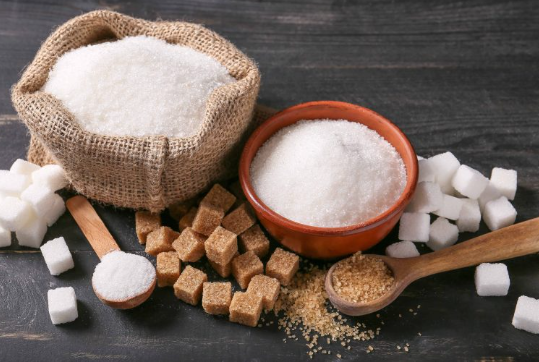
Glucose is a simple sugar that can serve as an energy source for microorganisms.
During fermentation, microorganisms use metabolic pathways to process glucose. The products depend on the organism and environmental conditions.
In alcoholic fermentation, yeast produces ethanol and carbon dioxide from glucose.
The commonly used alcoholic fermentation equation provides a simplified representation of this transformation.
A Simplified Chemical Relationship
The overall alcoholic fermentation process can be represented as:
Glucose → Ethanol + Carbon dioxide + Energy
In a balanced chemical equation, one glucose molecule is converted into two molecules of ethanol and two molecules of carbon dioxide, with energy released for the microorganism’s biological activities.
This simplified equation is useful for understanding the overall transformation, although the actual cellular process involves multiple biochemical steps.
See also: Northern Beaches Possum Removal – 24/7 Emergency Local Wildlife Services
The Role of Yeast
Yeast is a microorganism capable of using sugars as an energy source.
In environments where oxygen is limited, certain yeasts can rely on fermentation pathways. This produces ethanol and carbon dioxide as major end products.
The same basic biological principle has applications in different industries.
Bread Making
In bread production, carbon dioxide is particularly important.
Yeast metabolizes available sugars and produces carbon dioxide. The gas becomes trapped within the dough’s structure, creating bubbles that cause the dough to expand.
During baking, the structure becomes more stable and produces the familiar texture of bread.
Although alcohol is also produced during fermentation, much of it evaporates during baking.
Beverage Production
Alcoholic fermentation is also fundamental to the production of many beverages.
Different yeasts, sugars, temperatures, and fermentation conditions can produce different flavor profiles and alcohol concentrations.
Producers therefore control the process carefully to achieve consistent results.
Factors That Influence the Process
Fermentation does not happen at exactly the same rate under all conditions.
Important variables include:
- Temperature
- Sugar availability
- Yeast concentration
- pH
- Nutrient availability
- Oxygen conditions
- Fermentation time
Changing one variable can influence microbial activity and final product characteristics.
Temperature Control
Temperature is especially important because microorganisms have preferred operating ranges.
If conditions become too cold, fermentation may slow considerably. Excessive temperatures can inhibit or damage microorganisms.
Commercial processes therefore often use temperature-controlled environments.
Importance of pH
Acidity can influence both microbial activity and contamination.
Different fermentation processes use different pH ranges. Monitoring pH can help producers maintain a predictable environment.
In industrial applications, automated sensors may continuously monitor process conditions.
Scaling Fermentation
Laboratory fermentation and industrial fermentation operate on very different scales.
A process that works in a small container may behave differently when transferred to a large vessel because heat transfer, mixing, oxygen availability, and microbial distribution can change.
Industrial fermenters are therefore designed to control these variables carefully.
Applications Beyond Food
Fermentation technology is also used in biotechnology.
Microorganisms can be cultivated to produce enzymes, organic acids, pharmaceutical ingredients, bio-based chemicals, and other useful compounds.
This makes fermentation an important technology in modern manufacturing and research.
Quality and Contamination Control
Microbial processes require careful hygiene.
Unwanted microorganisms can compete with the intended culture or produce undesirable compounds. Controlled environments, sanitation procedures, appropriate raw materials, and monitoring systems help reduce contamination risks.
For commercial food production, manufacturers must also comply with applicable safety and regulatory requirements.
FAQs
What is alcoholic fermentation?
It is a biological process in which certain microorganisms, especially yeast, convert sugars into ethanol and carbon dioxide under suitable conditions.
Why does yeast produce carbon dioxide?
Carbon dioxide is one of the products generated during the metabolic conversion of sugars through alcoholic fermentation.
Can fermentation be used outside food production?
Yes. Fermentation is widely used in biotechnology and industrial manufacturing for producing enzymes, organic acids, pharmaceuticals, and other compounds.
Conclusion
The chemistry of fermentation demonstrates how microorganisms can transform simple sugars into useful products. Alcoholic fermentation is especially important because it connects biological metabolism with applications in baking, beverage production, and biotechnology.
By controlling factors such as temperature, pH, nutrients, microbial activity, and time, producers can create more predictable and consistent fermentation processes.