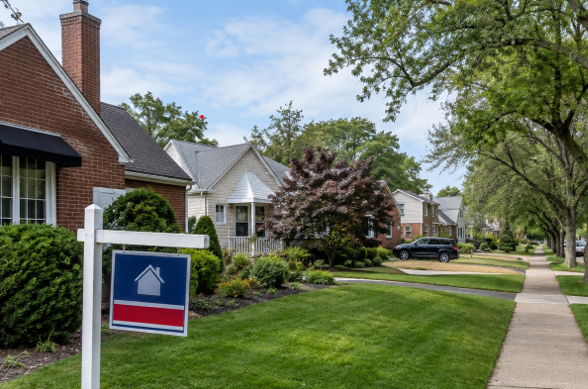
Southfield homeowners who need to move on a short schedule have more than one path to consider. A traditional listing may offer broad market exposure, while cash for homes in Southfield, MI can be an option for owners who value a simpler process, an as-is sale, or a more predictable closing timeline.
There is no single number of days that applies to every house. A move-in-ready property near major routes, employers, shopping, and community amenities may attract attention differently than a home with deferred maintenance, tenant occupancy, unusual features, or unresolved paperwork. The best plan begins with a realistic view of the house and the seller’s deadline.
Set a Realistic Selling Timeline
Think of a sale as several stages rather than one event: preparing the property, marketing or requesting offers, negotiating a contract, satisfying any conditions, and closing. A direct buyer may be able to shorten some of these stages, but title work, payoff information, signatures, and agreed-upon closing documents still matter.
For a conventional listing, allow time for cleaning, photographs, showings, buyer financing, inspections, appraisal, repair discussions, and closing coordination. A home that needs substantial work may require either a longer preparation period or a buyer willing to take on repairs.
Owners comparing local and statewide alternatives may find that businesses that we buy houses in Michigan offer a useful point of comparison. The important question is not simply how fast an offer arrives, but what the written terms leave the seller with after every expense and obligation is addressed.
See also: Time Management Hacks for Busy Entrepreneurs
Check the Southfield Market Before Choosing a Strategy
Start with recently sold homes that match your location, size, age, condition, and layout. Do not assume an active listing price is proof of value. Review asking-price reductions, expired listings, and comparable closed sales to see how buyers have responded to similar homes.
Neighborhood-level research matters in a city as varied as Southfield. Conditions can differ across areas and ZIP codes, including 48075, 48076, 48033, and 48034. The city provides land, sales, and assessment data through an interactive map, which can help owners begin researching nearby property activity.
Compare Three Common Ways to Sell
Traditional listing
A listing with a real estate professional can place the home in front of more potential buyers. In exchange, sellers should expect preparation, showings, negotiations, and selling costs. This route often suits owners who have time to prepare the property and wait for a financed buyer.
For-sale-by-owner
For-sale-by-owner can give the owner direct control over pricing, marketing, appointments, and negotiations. It also means the owner handles buyer screening, disclosures, contracts, access to the home, and coordination with title and closing professionals.
Direct cash sale
A direct sale may fit a house needing repairs, an inherited property, a vacant home, or a seller facing a firm move date. Request the full offer in writing, confirm the proposed closing date, ask which costs are deducted, and verify that the buyer can perform under the agreement.
Decide Which Repairs Are Worth the Time
Separate simple presentation work from major construction. Cleaning, decluttering, replacing burnt-out bulbs, touching up obvious paint damage, and improving exterior appearance can make a home easier to show. Safety concerns, active leaks, damaged wiring, heating failures, water intrusion, or structural problems deserve more careful evaluation.
Before starting a large project, estimate more than the contractor charges. Include permits, materials, temporary storage, utilities, insurance, time away from work, and the risk that additional problems appear after demolition. In some cases, disclosing the condition and pricing accordingly is more practical than managing a major renovation.
Prepare the Paperwork Before Marketing
Collect key documents before offers arrive. A useful file may include the deed, mortgage payoff contract, property tax information, insurance details, repair invoices, permits, warranties, utility records, homeowners’ association documents, and, if the property is rented, leases.
Inherited homes may require probate-related documents and signatures from the authorized sellers. Divorce, trusts, estates, unpaid taxes, liens, or a prior ownership change can also require additional review. Address these issues early because title questions discovered shortly before closing can delay everyone involved.
Build a Simple Seven-Day Selling Plan
- Day one: Gather ownership, loan, tax, lease, and repair records.
- Day two: Review comparable Southfield sales and assess the home’s condition honestly.
- Day three: Decide whether a listing, private sale, or direct offer best fits the deadline.
- Day four: Remove clutter and address obvious safety or access issues.
- Day five: Prepare marketing materials or request written offers.
- Day six: Compare prices, costs, contingencies, and closing dates.
- Day seven: Choose the best path and begin title or contract steps.
Know What Makes an Offer Strong
Compare offers by net proceeds, not headline price alone. Review whether financing is confirmed, how much earnest money is offered, whether an appraisal is required, the inspection period, requested repair credits, cancellation rights, possession date, and the party responsible for closing costs.
Keep all promises in the purchase agreement or an attached written addendum. Verbal statements about repairs, personal property, timing, or cost responsibility can be difficult to enforce if they are not documented.
Watch for Southfield-Specific Delays
Older homes can raise questions about prior improvements, permits, drainage, roofs, mechanical systems, and property records. Rental owners should also check compliance before a sale. Southfield requires one- and two-family rental dwellings to be registered and inspected on the city’s stated schedule, which may affect transaction planning.
Condominium sales can require association documents, fees, resale disclosures, or approval procedures. Winter weather may also complicate exterior inspections, moving plans, vacant-house maintenance, and contractor scheduling.
Special Situations and Closing Basics
For inherited property, confirm who has the authority to sign. For a rental, organize leases, deposits, notices, and maintenance records. If payments are behind, obtain an accurate payoff or reinstatement figure from the lender early. If the home has serious damage, document the condition and determine whether insurance claims or repair obligations remain open.
After accepting an offer, the usual sequence is to open the title, confirm ownership and payoff figures, resolve recorded issues, review the settlement statement, sign the final documents, transfer possession, and receive any remaining proceeds. Complex transactions may justify advice from an independent real estate attorney or title professional.
Final Checklist for a Faster, Safer Sale
- Verify the buyer’s identity and request proof of funds when appropriate.
- Read every page before signing, and do not accept blank spaces or unexplained deductions.
- Confirm who pays for title services, recording, transfer-related charges, repairs, and closing costs.
- Choose the offer that best balances certainty, timing, effort, and net proceeds.
A fast Southfield sale is not only about getting to closing quickly. It is about choosing a route that fits the home’s condition, the owner’s financial needs, and the amount of uncertainty the owner can reasonably accept. Careful preparation and a clear comparison of written offers can make the process more manageable from the first decision through closing day.