Warehouses and industrial facilities require effective cooling systems to maintain comfortable indoor conditions and support efficient daily operations. Large open spaces, high ceilings, machinery, and continuous activity can lead to excessive heat buildup, making temperature control a significant challenge. Selecting the right warehouse cooling solution helps improve employee comfort, maintain consistent indoor conditions, and optimize energy consumption. Modern cooling technologies are designed to provide reliable performance while reducing operational costs and supporting sustainable building practices. Understanding the available cooling options is the first step toward choosing the most suitable solution for a large industrial space.
If you are exploring advanced warehouse cooling solutions, it is important to evaluate your facility’s size, climate conditions, ventilation requirements, and long term energy goals before selecting a system.
Why Effective Warehouse Cooling Is Essential
Industrial warehouses perform a wide range of operations that generate heat throughout the day. Equipment, lighting systems, production processes, and large occupancy levels can all contribute to rising indoor temperatures. Without an efficient cooling strategy, indoor conditions may become uncomfortable and reduce the overall effectiveness of ventilation systems. A properly designed warehouse cooling solution helps maintain balanced temperatures while improving indoor air quality and supporting operational efficiency.
Cooling systems designed specifically for warehouses also contribute to better airflow, humidity management, and long term equipment performance. These advantages make proper cooling an essential investment for modern industrial facilities.
Common Cooling Challenges in Large Industrial Spaces
Warehouses present unique cooling challenges because of their size and operating conditions. Large floor areas require consistent air distribution, while high ceilings often cause warm air to accumulate above occupied spaces. Heat generated by equipment and continuous operations further increases the cooling demand.
Common cooling challenges include:
- High indoor temperatures.
- Poor air circulation.
- Heat generated by machinery.
- Large open floor areas.
- High ceiling structures.
- Variable occupancy levels.
- Increased cooling demand during warmer seasons.
Addressing these challenges requires a cooling solution that combines effective ventilation with efficient temperature control.
How High Temperatures Affect Productivity and Equipment
Maintaining appropriate indoor temperatures supports efficient warehouse operations. Excessive heat can place additional stress on industrial equipment while making indoor environments less comfortable for employees. Consistent cooling helps stabilize working conditions and contributes to reliable equipment performance throughout the facility.
Proper temperature management also supports efficient airflow and helps reduce unnecessary strain on the building’s overall HVAC infrastructure. Choosing the right cooling technology can improve operational stability while reducing long term maintenance requirements.
The Importance of Energy Efficient Cooling
Energy consumption is a major consideration for large industrial buildings. Traditional cooling systems may require substantial electrical power to maintain comfortable indoor conditions across expansive spaces. Modern warehouse cooling technologies focus on reducing energy use while delivering reliable performance and consistent airflow.
Energy efficient cooling systems provide several advantages:
- Lower electricity consumption.
- Reduced operating costs.
- Improved environmental sustainability.
- Better indoor comfort.
- Enhanced HVAC performance.
- Long term operational efficiency.
These benefits make energy efficiency an important factor when selecting a warehouse cooling solution.
See also: Creating a Vision for Business Success
What Is the Best Cooling Solution for a Warehouse?
The best cooling solution depends on the specific requirements of each warehouse. Factors such as facility size, climate conditions, ceiling height, production activities, ventilation requirements, and energy objectives all influence the final selection. Rather than relying on a single technology, many industrial facilities benefit from integrated cooling strategies that combine ventilation with advanced evaporative cooling systems.
Understanding these project requirements helps determine which cooling approach delivers the best balance between performance, efficiency, and operating costs.
Factors That Influence the Right Cooling Solution
Several technical considerations should be evaluated before selecting a warehouse cooling system. Each factor contributes to the overall efficiency and long term performance of the installation.
Important considerations include:
- Warehouse size.
- Ceiling height.
- Local climate.
- Internal heat load.
- Occupancy levels.
- Airflow requirements.
- Energy efficiency objectives.
- Maintenance expectations.
Evaluating these factors helps ensure the selected system matches operational requirements while supporting sustainable facility management.
Understanding Warehouse Cooling Requirements
Every warehouse operates under different environmental conditions. Some facilities require continuous cooling throughout the year, while others primarily focus on ventilation and seasonal temperature control. Proper system design begins with a comprehensive assessment of airflow, cooling demand, and indoor environmental goals.
A well engineered warehouse cooling solution should maintain comfortable temperatures without creating excessive energy consumption. It should also integrate effectively with existing ventilation systems to improve indoor air quality and ensure consistent airflow across the entire facility.
Types of Warehouse Cooling Solutions
Several cooling technologies are available for industrial warehouses. Each system offers different advantages depending on the building design, operating conditions, and environmental requirements. Understanding these options allows facility owners and HVAC consultants to make informed decisions based on performance and efficiency.
Traditional Air Conditioning Systems
Conventional air conditioning systems provide precise temperature control by mechanically cooling indoor air. While these systems are effective in enclosed environments, they may become less practical for very large warehouses because of higher energy requirements and operating costs. Their suitability depends on building insulation, occupancy levels, and cooling demand.
Industrial Fans and Ventilation Systems
Industrial fans improve air circulation by moving large volumes of air throughout the warehouse. Although they do not actively reduce air temperature, they help distribute airflow more evenly and improve occupant comfort. Ventilation systems also remove stale air and support healthier indoor environments when combined with fresh air intake.
Direct Evaporative Cooling
Direct evaporative cooling reduces air temperature by allowing water to evaporate into the incoming airflow. This natural process produces cooler air while consuming significantly less energy than conventional refrigeration based cooling systems. Direct evaporative cooling performs particularly well in regions with lower humidity levels.
Indirect Evaporative Cooling
Indirect evaporative cooling lowers air temperature through a heat exchange process without adding moisture to the supply air. This approach provides cooler air while maintaining more controlled indoor humidity levels. It is well suited for facilities where humidity management is an important operational consideration.
Many industrial facilities that incorporate advanced heat recovery technologies may also utilize components such as high temperature wheels to improve thermal energy recovery and enhance overall HVAC system efficiency in demanding environments.
Indirect Direct Evaporative Cooling Systems
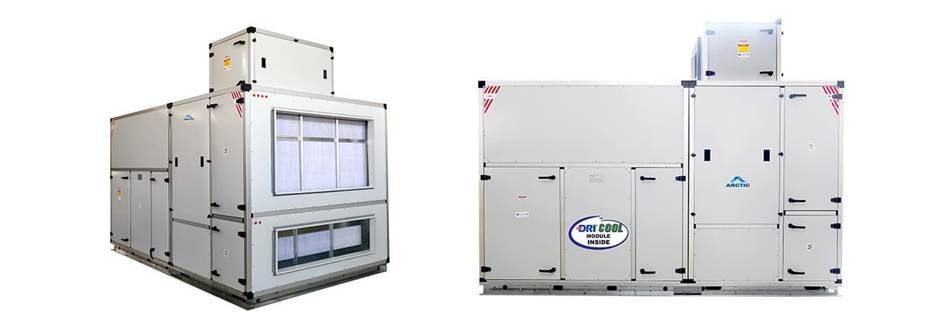
Indirect direct evaporative cooling combines the strengths of both cooling methods to achieve higher cooling efficiency. The incoming air first passes through an indirect cooling stage before entering a direct evaporative stage. This multi stage process delivers lower supply air temperatures while maintaining excellent energy performance.
These systems are increasingly selected for warehouses because they provide effective cooling across large spaces while reducing electrical energy consumption compared to conventional air conditioning technologies.
How Do You Cool a Large Warehouse?
Cooling a large warehouse requires more than simply installing cooling equipment. A successful solution combines proper ventilation, balanced airflow, efficient cooling technology, and thoughtful system design. The objective is to maintain consistent indoor temperatures while minimizing energy consumption across the facility.
Proper planning ensures that cooling capacity matches the warehouse’s operational requirements and environmental conditions.
Improving Air Circulation
Efficient air circulation distributes cooled air evenly throughout the warehouse. Proper airflow prevents temperature variations between different zones and reduces heat accumulation beneath the roof structure. Balanced air movement also supports employee comfort while improving overall cooling effectiveness.
Managing Heat Load
Heat generated by machinery, lighting systems, production equipment, and occupancy levels should be carefully evaluated during system design. Understanding the total heat load allows engineers to determine the appropriate cooling capacity needed for reliable long term performance.
Facilities where enhanced fire safety is also a priority may integrate specialized HVAC components such as a fire resistant pad in appropriate air handling applications to support safer system operation.
Integrating Ventilation and Cooling Systems
Warehouse cooling performs most effectively when ventilation and cooling systems operate together. Fresh air ventilation helps remove excess heat while evaporative cooling technologies condition the incoming air before it enters occupied spaces. This integrated approach improves indoor air quality while supporting energy efficient operation.
Optimizing Cooling Performance
Achieving maximum cooling efficiency requires regular maintenance, balanced airflow, and proper equipment sizing. Continuous monitoring of airflow performance helps ensure the cooling system operates as designed throughout changing seasonal conditions. Selecting advanced evaporative cooling technologies can further improve performance while reducing long term operating costs.
Is Evaporative Cooling Good for Warehouses?
Evaporative cooling has become one of the most effective solutions for cooling large industrial spaces because it combines reliable performance with exceptional energy efficiency. Unlike conventional refrigeration based systems, evaporative cooling uses the natural process of water evaporation to lower air temperature while consuming significantly less electricity. This makes it particularly suitable for warehouses that require continuous cooling across expansive floor areas. In many industrial environments, evaporative cooling also improves ventilation by introducing a steady supply of fresh outdoor air. Understanding how this technology works helps facility owners determine whether it is the right choice for their operational requirements.
How Evaporative Cooling Works
Evaporative cooling uses water evaporation to reduce the temperature of incoming air before it is distributed throughout the warehouse. As warm outside air passes through specially designed cooling media, water absorbs heat from the air during the evaporation process. The result is cooler air that can be supplied to occupied spaces while using significantly less energy than conventional refrigeration-based systems. Because the process relies on natural cooling principles, it delivers reliable performance with lower operating costs. When combined with effective ventilation, evaporative cooling also supports better indoor air quality by continuously introducing fresh air into the building.
Benefits of Indirect Direct Evaporative Cooling
Indirect direct evaporative cooling combines two cooling stages to achieve greater efficiency and improved cooling performance. During the first stage, incoming air is cooled indirectly through a heat exchange process without increasing its moisture content. In the second stage, direct evaporative cooling further reduces the air temperature before it enters the warehouse. This combination provides lower supply air temperatures while maintaining efficient energy consumption. The technology is particularly well suited for large industrial facilities that require continuous cooling over extensive floor areas.
Key advantages include:
- Lower energy consumption than conventional air conditioning.
- Improved cooling efficiency.
- Better indoor air circulation.
- Continuous supply of fresh outdoor air.
- Reduced operating costs.
- Reliable performance for large industrial spaces.
- Environmentally responsible cooling technology.
- Lower maintenance requirements compared to many conventional systems.
When Evaporative Cooling Is the Ideal Choice
Evaporative cooling performs particularly well in warehouses where large open spaces require continuous airflow and efficient temperature management. Facilities with high ceilings, significant internal heat loads, and extensive operational hours often benefit from this approach. The technology is also suitable for projects that prioritize energy efficiency and sustainability without compromising indoor comfort. Selecting the right evaporative cooling configuration depends on building design, local climate, and operational requirements. A professional assessment helps determine the most appropriate solution for each application.
Climate Considerations for Evaporative Cooling
Climate conditions play an important role in cooling system selection. Evaporative cooling typically delivers the highest performance in regions with warm and relatively dry outdoor conditions. However, modern indirect direct evaporative cooling systems are engineered to perform efficiently across a broader range of environmental conditions than traditional evaporative cooling technologies. Evaluating regional weather patterns and annual operating conditions helps optimize long term system performance. Proper system design ensures the warehouse receives reliable cooling throughout varying seasonal conditions.
Benefits of Energy Efficient Warehouse Cooling
Energy efficiency has become a primary objective for warehouse owners and facility managers seeking to reduce operating expenses while maintaining comfortable indoor environments. Modern cooling technologies are designed to provide reliable performance using significantly less energy than many traditional alternatives. Efficient cooling systems not only improve temperature control but also contribute to better airflow, enhanced ventilation, and reduced environmental impact. Selecting an energy conscious cooling solution supports long term operational sustainability while helping businesses manage rising energy costs. These advantages make energy efficiency a key consideration during warehouse cooling system selection.
Lower Energy Consumption
One of the most significant benefits of modern warehouse cooling solutions is their ability to reduce electricity usage. Advanced evaporative cooling systems consume substantially less energy because they rely on natural cooling processes rather than energy intensive refrigeration cycles. Lower energy demand contributes to reduced utility costs while supporting more sustainable facility operations. Efficient equipment sizing and proper airflow management further improve overall system performance.
Improved Employee Comfort
Maintaining consistent indoor temperatures helps create a more comfortable working environment throughout the warehouse. Proper cooling reduces excessive heat while supporting balanced airflow across large operational areas. Improved comfort contributes to better working conditions during daily operations without creating uneven temperature zones. Consistent ventilation also enhances overall indoor air quality by supplying fresh outdoor air.
Better Air Quality and Ventilation
Warehouse cooling systems that integrate ventilation continuously replace stale indoor air with cleaner outdoor air. This process supports healthier indoor environments while helping remove excess heat and airborne contaminants. Improved air circulation reduces stagnant air pockets and contributes to more uniform indoor conditions throughout the facility. Better ventilation also enhances the effectiveness of the overall HVAC system.
Reduced Operating Costs
Energy efficient cooling technologies help reduce long term operating expenses through lower electricity consumption and optimized system performance. Many modern warehouse cooling systems also require less intensive maintenance than conventional cooling equipment, helping control service costs over time. Efficient operation contributes to greater return on investment while supporting dependable long term performance.
Sustainable Cooling Performance
Sustainability has become an important consideration for industrial buildings seeking to reduce environmental impact. Energy efficient warehouse cooling systems support this objective by minimizing electricity usage while delivering reliable temperature control. Lower energy consumption contributes to reduced carbon emissions and more responsible resource utilization. These systems also align with modern building practices that emphasize operational efficiency and environmental responsibility.
Major benefits of energy efficient warehouse cooling include:
- Lower electricity consumption.
- Reduced operating expenses.
- Improved indoor comfort.
- Better warehouse ventilation.
- Continuous fresh air supply.
- Lower environmental impact.
- Reliable long term performance.
- Support for sustainable facility management.
Industries That Benefit from Warehouse Cooling Solutions
Warehouse cooling systems support a wide variety of industries that require controlled indoor environments for employees, equipment, and operational processes. Although cooling requirements vary between sectors, maintaining comfortable temperatures and effective ventilation remains essential for productivity and efficient facility management. Advanced cooling technologies can be adapted to different building sizes and operational demands while providing dependable long term performance.
Industries commonly using warehouse cooling solutions include:
- Warehousing and logistics.
- Manufacturing facilities.
- Distribution centers.
- Food and beverage storage.
- Automotive manufacturing.
- Engineering plants.
- E commerce fulfillment centers.
- Packaging facilities.
- Textile industries.
- Industrial assembly operations.
Each of these environments benefits from improved airflow, better indoor comfort, and more efficient temperature management.
How to Choose the Right Warehouse Cooling System
Selecting the right warehouse cooling system requires a comprehensive evaluation of the facility’s operational needs and environmental conditions. Every warehouse has unique cooling demands influenced by building dimensions, occupancy, equipment, and regional climate. Choosing a properly engineered system helps maximize cooling performance while minimizing long term operating costs. Careful planning also ensures the cooling solution integrates effectively with the existing ventilation infrastructure. A well designed system delivers dependable performance while supporting energy efficiency goals.
Warehouse Size and Ceiling Height
The overall dimensions of the warehouse significantly affect cooling system selection. Larger floor areas require higher airflow volumes, while high ceilings influence air distribution patterns. Understanding the building layout allows engineers to design a system capable of delivering consistent cooling throughout the occupied space.
Local Climate Conditions
Outdoor temperature and humidity levels play a major role in determining the most suitable cooling technology. Evaluating seasonal weather conditions helps identify the cooling solution that provides the best balance between performance and energy efficiency.
Cooling Capacity Requirements
Accurate cooling capacity calculations ensure the system can effectively manage the building’s total heat load. Factors such as equipment, lighting, occupancy, and production activities should all be considered during system design to avoid underperforming or oversized equipment.
Ventilation Needs
Proper ventilation is essential for maintaining indoor air quality while supporting efficient cooling. Fresh air intake, exhaust systems, and balanced airflow should all be incorporated into the warehouse cooling strategy to create a healthier indoor environment.
Energy Efficiency Goals
Many industrial facilities prioritize reducing long term operating expenses through improved energy efficiency. Selecting advanced cooling technologies that consume less electricity helps support sustainability initiatives while lowering utility costs.
Maintenance and Long Term Performance
Routine maintenance contributes to reliable cooling performance and extended equipment life. Systems designed with accessible components and simplified service requirements reduce maintenance effort while helping preserve consistent airflow and cooling efficiency.
Important factors to evaluate include:
- Building size.
- Ceiling height.
- Local climate.
- Internal heat load.
- Ventilation requirements.
- Energy efficiency objectives.
- Ease of maintenance.
- Future operational expansion.
Why Choose DRI Warehouse Cooling Solutions
Desiccant Rotors International develops advanced cooling technologies designed to meet the demanding requirements of large industrial facilities. Their warehouse cooling solutions combine engineering expertise with energy efficient evaporative cooling technology to deliver dependable performance across diverse applications. Every system is developed with a focus on improving indoor comfort, supporting ventilation, and reducing long term operating costs. The result is a cooling solution that balances performance, reliability, and sustainability for modern industrial environments.
Advanced Indirect Direct Evaporative Cooling Technology
DRI utilizes advanced indirect direct evaporative cooling technology to achieve highly efficient temperature control while minimizing energy consumption. This multi stage approach delivers cooler supply air and supports continuous fresh air ventilation, making it well suited for large warehouses and industrial buildings.
Designed for Large Industrial Spaces
Large warehouses require cooling systems capable of delivering consistent airflow across expansive areas. DRI solutions are engineered to provide uniform air distribution while maintaining reliable performance under demanding operating conditions. Their systems support effective cooling without the high energy requirements associated with many conventional technologies.
Reliable and Energy Efficient Performance
Long term operational reliability is an important consideration for every industrial facility. DRI warehouse cooling systems are designed to provide dependable performance while supporting lower energy consumption and reduced operating costs. Their engineering approach emphasizes durability, efficiency, and sustainable cooling performance.
To identify the most suitable cooling solution for your industrial facility, contact Desiccant Rotors International. Their experts can help evaluate your warehouse requirements and recommend an energy efficient cooling system tailored to your operational needs.
Conclusion
Selecting the best warehouse cooling solution is essential for maintaining comfortable indoor conditions, improving operational efficiency, and reducing long term energy costs. Large industrial spaces require cooling systems that provide consistent airflow, reliable temperature control, and effective ventilation without excessive energy consumption. Indirect direct evaporative cooling has become one of the most efficient options because it combines high cooling performance with lower operating costs and continuous fresh air supply. By carefully evaluating warehouse size, climate conditions, ventilation needs, and cooling requirements, facility owners can choose a solution that delivers dependable long term performance. For organizations seeking advanced and energy efficient warehouse cooling technologies, partnering with Desiccant Rotors International provides access to expertly engineered solutions designed to meet the evolving demands of modern industrial facilities.
Frequently Asked Questions
1. What is the best cooling solution for a warehouse?
The best cooling solution for a warehouse depends on several factors, including the size of the facility, ceiling height, local climate, heat generated by equipment, and ventilation requirements. For many large industrial spaces, indirect direct evaporative cooling is an excellent choice because it provides effective temperature control while consuming significantly less energy than conventional air conditioning systems. A professional assessment helps determine the most suitable solution for each warehouse.
2. How do you cool a large warehouse?
Cooling a large warehouse requires a combination of efficient ventilation, balanced airflow, and the right cooling technology. Industrial fans, fresh air ventilation systems, and indirect direct evaporative cooling systems work together to maintain comfortable indoor temperatures across large floor areas. Proper system design, accurate cooling capacity calculations, and regular maintenance also contribute to reliable long term performance.
3. Is evaporative cooling good for warehouses?
Yes. Evaporative cooling is widely considered an effective solution for warehouses because it provides energy efficient cooling while supplying a continuous flow of fresh outdoor air. Modern indirect direct evaporative cooling systems offer improved cooling performance, lower operating costs, and better ventilation compared to many traditional cooling methods. They are especially suitable for large industrial facilities where energy efficiency is a priority.
4. What are the advantages of indirect direct evaporative cooling?
Indirect direct evaporative cooling combines two cooling stages to achieve better temperature reduction and improved efficiency. Some of the major advantages include:
- Lower energy consumption.
- Improved cooling performance.
- Continuous fresh air supply.
- Better indoor air quality.
- Reduced operating costs.
- Environmentally responsible operation.
- Reliable cooling for large industrial facilities.
- Long term energy savings.
5. How do I choose the right warehouse cooling system?
Choosing the right warehouse cooling system requires evaluating several important factors, including warehouse size, ceiling height, local weather conditions, ventilation requirements, cooling capacity, energy efficiency objectives, and maintenance needs. Consulting an experienced HVAC specialist ensures the selected solution is properly designed to deliver reliable performance while supporting long term operational efficiency.