Yes, a periodontist can often rebuild bones that have been damaged by advanced gum disease. Treatments such as bone grafting and guided tissue regeneration can encourage new bone formation around affected teeth, but results depend on the extent and location of bone loss, the condition of the gums, and the tooth’s overall health. A periodontist evaluates these factors before recommending treatment. For patients searching for ways to regenerate bone around teeth, professional periodontal care may offer a way to restore damaged supporting structures and improve tooth stability.
At Cape Cod Perio, treatment begins with identifying the source and severity of periodontal damage. Gum disease does not simply affect the visible gum tissue. As infection progresses, it can destroy the bone and connective tissues that hold teeth in place. Once this supporting bone is lost, it generally does not grow back on its own. Regenerative periodontal procedures are designed to address damage and create conditions that support new tissue formation.
How Gum Disease Causes Bone Loss
Healthy teeth are supported by the jawbone, periodontal ligament, and surrounding gum tissue. These structures work together to keep teeth stable. Periodontitis, the advanced form of gum disease, can gradually damage this support system.
Bacteria accumulate around the teeth and trigger inflammation in the gums. As the condition progresses, infection can extend below the gumline and damage periodontal tissues. The body’s inflammatory response can contribute to the breakdown of the bone surrounding affected teeth.
Bone loss can occur in different patterns. Some patients develop shallow areas of generalized bone loss, while others have deeper defects around individual teeth. The shape and location of the damaged area matter because regenerative treatment works better in certain types of defects than others.
Can Lost Bone Grow Back Naturally?
Bone destroyed by advanced periodontal disease generally does not regenerate on its own in a predictable way. Controlling the infection is the first priority, but eliminating bacteria does not automatically replace the bone that has already been lost.
The body can repair some periodontal tissues after inflammation is controlled, but meaningful reconstruction of lost supporting bone often requires a regenerative procedure. A periodontist can determine if the remaining bone structure and surrounding tissues provide suitable conditions for regeneration.
The goal is not simply to fill a damaged area. Successful treatment aims to rebuild functional support around the tooth while controlling the periodontal infection that caused the original damage.
Treatments Used for Bone Regeneration
Several periodontal procedures may be used to encourage bone formation. The appropriate treatment depends on the defect, the affected tooth, gum health, and the patient’s overall oral condition.
Bone Grafting
Bone grafting places graft material into an area where periodontal disease has destroyed supporting bone. The graft acts as a framework that can support the body’s natural bone-forming process.
Graft materials can come from different sources, including human donor tissue, animal-derived materials, or synthetic materials. The periodontist selects the appropriate material based on the clinical situation.
Bone grafting is not simply about adding material around a tooth. The area must also be free from active infection and properly managed, so the tissues have an environment suitable for healing and regeneration.
Guided Tissue Regeneration
Guided tissue regeneration, often called GTR, uses a barrier membrane to help direct the healing process. The membrane separates the treated area from rapidly growing soft tissue, giving slower-forming bone and periodontal tissues an opportunity to develop in the space.
GTR may be combined with bone grafting when the defect has characteristics that make this approach appropriate. Careful placement of the graft and membrane is essential because the goal is to support the formation of new periodontal structures rather than simply cover the damaged area.
For patients dealing with periodontal bone and soft tissue loss, Bone and Gum Tissue Regeneration may be part of a periodontal treatment plan designed to restore supporting tissues and improve the stability of affected teeth.
Biologic Materials
Certain regenerative procedures may also involve biologic materials designed to support tissue healing and periodontal regeneration. These materials can be used alone or alongside other regenerative techniques, depending on the clinical needs of the patient.
The choice is based on factors such as the depth and shape of the bone defect, tooth anatomy, gum condition, and the amount of remaining healthy tissue.
Who May Be a Candidate for Bone Regeneration?
Bone regeneration for teeth is not appropriate for every case of periodontal bone loss. A periodontist needs to examine the affected area and determine if regeneration has a reasonable chance of improving the tooth’s support.
Three factors commonly influence treatment planning:
- Bone defect: Certain contained defects are more favorable for regeneration than areas with extensive or irregular bone loss.
- Periodontal health: Active infection and uncontrolled inflammation must be addressed before regenerative treatment can be considered.
- Tooth condition: A tooth with severe structural damage, advanced mobility, or an unfavorable prognosis may require a different treatment plan.
Smoking, oral hygiene, medical conditions, medications, and other factors that influence healing may also affect treatment decisions. An individualized evaluation is therefore more useful than assuming every type of bone loss can be rebuilt using the same procedure.
What Happens During a Periodontal Evaluation?
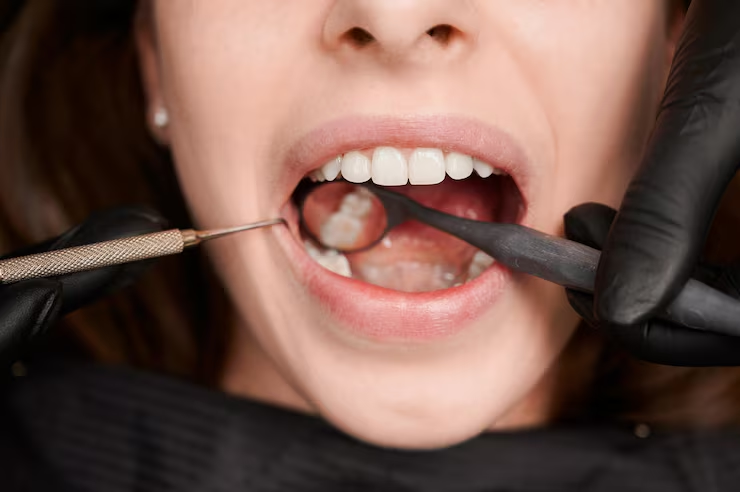
A periodontist begins by assessing the gums and supporting structures around the teeth. This typically includes measuring periodontal pockets, checking for gum inflammation and tooth mobility, and reviewing the patient’s dental history.
Dental imaging can show the amount and pattern of bone loss beneath the gumline. In some cases, more detailed imaging may be useful for assessing the shape of a bone defect and planning treatment.
The examination also helps determine the cause of the bone loss. If infection remains active, periodontal therapy may need to address the disease before regeneration is attempted.
This distinction matters because placing regenerative materials into an area affected by uncontrolled periodontal infection can interfere with healing.
How Successful Is Bone Regeneration?
Bone regeneration can improve periodontal support in appropriately selected cases, but it is not a guaranteed way to completely restore every millimeter of lost bone.
The anatomy of the defect is one of the strongest considerations. A localized defect surrounded by healthy bone may provide a more favorable environment for regeneration than extensive bone loss affecting several surfaces of a tooth.
The health of the gums also matters. Good plaque control helps protect the treated area and reduces the chance of recurring periodontal inflammation. Long-term periodontal maintenance is therefore part of protecting the results of regenerative treatment.
Patients should also understand that regeneration is different from cosmetic gum treatment. The objective is to rebuild or improve damaged supporting tissues, not simply change the visible appearance of the gums.
Why Treating the Gum Disease Still Matters
Bone regeneration cannot replace the need for periodontal disease control. If the infection that caused the bone loss remains active, newly treated tissues can be placed at risk.
Periodontal therapy may include professional removal of bacterial deposits, improved daily plaque control, treatment of periodontal pockets, and ongoing maintenance visits. The exact plan depends on disease severity.
Patients can also support periodontal health through consistent brushing, cleaning between the teeth, avoiding tobacco, and following the care instructions provided by their dental team.
For people considering bone regeneration dental treatment, controlling the underlying disease is just as important as the regenerative procedure itself.
Bone Regeneration and Tooth Stability
One reason periodontal bone loss receives serious attention is its effect on tooth stability. Teeth depend on their surrounding bone and periodontal tissues for support. As this support decreases, teeth may become increasingly mobile.
Regenerative treatment can sometimes improve the supporting environment around a tooth by encouraging new bone formation in a suitable defect. It does not guarantee that a severely compromised tooth can be saved, but it may form part of a treatment plan designed to preserve natural teeth.
This is one reason early periodontal evaluation can make a meaningful difference. Treating gum disease before extensive supporting tissue has been destroyed can provide more options for preserving the teeth.
Understanding Bone Regeneration Dental Cost
Patients researching bone regeneration dental cost often focus on the procedure itself, but treatment planning can involve several clinical considerations. The overall expense may vary based on the extent of bone loss, the type of regenerative procedure required, the number of teeth involved, and other periodontal treatment that may be necessary.
A consultation provides a more useful assessment than relying on a general price range found online. The periodontist can review imaging and clinical findings and explain which treatments are appropriate for the specific defect.
Cost should also be considered alongside the purpose of treatment. Regenerative periodontal procedures are intended to address damaged supporting tissues and may form part of a broader plan focused on preserving natural teeth and periodontal health.
Why Professional Periodontal Care Makes a Difference
Bone regeneration in dentistry requires more than placing graft material into an area of bone loss. The underlying periodontal infection, defect anatomy, tissue health, and tooth prognosis all need to be evaluated.
A periodontist has specialized training in diagnosing and treating conditions affecting the gums, bone, and supporting structures around teeth. This makes periodontal evaluation particularly useful for patients with advanced gum disease and significant bone loss.
At Cape Cod Perio, a periodontal assessment can help determine the condition of the supporting tissues and identify treatment options suited to the patient’s oral health needs.
See also: Top Reasons to Hire Bus Accident Lawyers After a Serious Collision
Protecting Your Results After Treatment
Regenerative treatment addresses damaged tissues, but maintaining healthy gums afterward is essential. Plaque accumulation can trigger inflammation and place regenerated tissues at risk.
A strong maintenance routine includes careful brushing, cleaning between the teeth, professional periodontal maintenance, and attention to changes such as bleeding, swelling, persistent, bad breath, or increasing tooth mobility.
Patients should also follow their periodontist’s specific instructions after treatment. Protecting the treated area during healing and maintaining good oral hygiene can support the long-term health of the surrounding tissues.
Rebuilding Bone Starts with the Right Diagnosis
Gum disease can destroy the bone that supports teeth, but that loss does not always mean the tooth has reached the end of its useful life. In selected cases, periodontal regenerative procedures can encourage new bone formation and improve the supporting environment around affected teeth.
Bone grafting, guided tissue regeneration, and biologic materials each have specific roles, and the right choice depends on the anatomy and health of the damaged area. Treating active periodontal disease and maintaining healthy gums remain essential parts of the process.
Schedule your appointment today To have your periodontal health assessed and discuss options for protecting your natural teeth and supporting tissues. If you have been told that gum disease has caused bone loss, a periodontal evaluation can clarify what is happening beneath the gums and what treatment options may be appropriate.