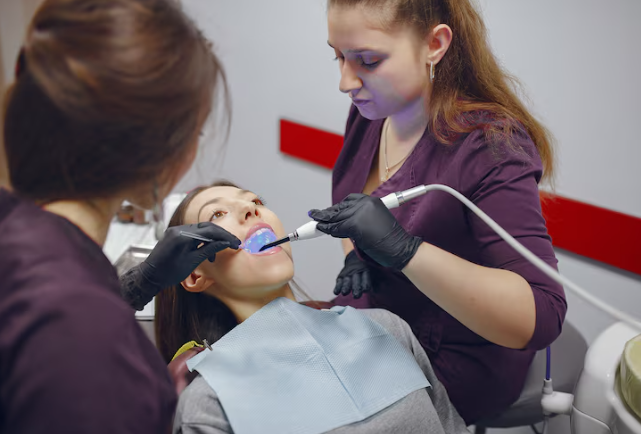
Many people associate fluoride treatments with children’s dental visits, but adults can also benefit from professional fluoride applications. As people age, their teeth are exposed to years of daily wear, acidic foods, plaque, and bacteria that may weaken enamel over time. Professional fluoride treatment for adults helps strengthen tooth enamel, reduce the risk of cavities, and support long-term oral health. It is an effective preventive treatment that complements regular brushing, flossing, and routine dental checkups.
Despite its proven benefits, there are many misconceptions about fluoride treatment for adults. Some people believe that fluoride is unnecessary after childhood, while others assume toothpaste provides all the protection they need. In reality, certain adults face a higher risk of tooth decay and may benefit from additional fluoride applications recommended by their dentist.
Understanding how fluoride works, who benefits most from treatment, and how professional applications differ from everyday dental products can help you make informed decisions about your oral health. This guide explains the benefits, common myths, and situations where fluoride treatment may become an important part of your preventive dental care.
What Is Fluoride Treatment for Adults?
Fluoride is a naturally occurring mineral that helps strengthen tooth enamel and improve resistance against acid attacks from bacteria and food. Professional fluoride treatments contain a higher concentration of fluoride than most over-the-counter dental products, allowing dentists to provide additional protection for patients with increased cavity risk.
Professional fluoride treatments are quick, painless, and designed to strengthen enamel before significant tooth damage occurs. They are commonly provided as part of a preventive dental care plan and are customized based on each patient’s oral health needs.
How Fluoride Protects Tooth Enamel
Every day, your teeth lose and regain minerals through a natural process known as demineralization and remineralization. Acid produced by plaque bacteria and certain foods removes minerals from the enamel, making teeth more vulnerable to decay. Fluoride helps replace these lost minerals and strengthens the enamel, making it more resistant to future damage.
This strengthening process is especially important for adults because enamel naturally experiences wear throughout life. Professional fluoride applications provide an additional layer of protection beyond regular oral hygiene.
Why Fluoride Is Not Just for Children
Many adults assume fluoride treatments are only recommended for children whose teeth are still developing. However, permanent teeth continue to benefit from fluoride throughout adulthood.
Adults often face oral health challenges such as:
- Gum recession
- Dry mouth
- Tooth sensitivity
- Previous dental restorations
- Frequent cavities
- Increased enamel wear
These conditions can increase the risk of tooth decay, making professional fluoride treatment a valuable preventive option for many adults.
Do Adults Really Need Fluoride Treatment?
Not every adult requires professional fluoride treatment, but many individuals can benefit depending on their oral health and cavity risk. Dentists evaluate several factors before recommending fluoride applications, including dental history, current oral health, and lifestyle habits.
For patients with healthy teeth and a low risk of decay, routine oral hygiene may provide adequate protection. However, adults with specific risk factors often benefit from additional preventive care.
Common Risk Factors for Tooth Decay in Adults
Several conditions can increase the likelihood of developing cavities later in life.
Common risk factors include:
- Frequent consumption of sugary foods and beverages
- Poor oral hygiene
- Dry mouth caused by medications
- Gum recession exposing tooth roots
- Previous history of cavities
- Orthodontic appliances
- Certain medical conditions
Understanding these risk factors allows dentists to recommend preventive treatments that help reduce future dental problems.
Signs You May Benefit From Fluoride Treatment
Your dentist may recommend fluoride treatment if your oral health examination reveals early signs of enamel weakening or increased cavity risk. Professional fluoride applications are often part of a personalized preventive care plan rather than a routine treatment for every patient.
Patients who experience recurring cavities, sensitive teeth, or conditions that reduce saliva production often benefit from additional fluoride protection. A professional evaluation helps determine whether fluoride treatment is appropriate for your individual needs.
If you are looking for comprehensive preventive care, visiting a trusted dental clinic near Kent WA allows your dentist to evaluate your oral health and recommend treatments that help protect your smile for years to come.
Benefits of Fluoride Treatment for Adults
Professional fluoride treatment provides multiple benefits beyond cavity prevention. By strengthening enamel and supporting overall oral health, fluoride helps reduce the impact of daily acid exposure and bacterial activity.
Preventive treatments are often more effective and less costly than restorative procedures required after tooth decay develops. Fluoride plays an important role in helping adults maintain healthy natural teeth throughout life.
Strengthens Tooth Enamel
One of the primary benefits of fluoride treatment is its ability to reinforce weakened enamel. Stronger enamel is better equipped to resist acid attacks that contribute to cavities and long-term tooth damage.
Healthy enamel also provides better protection for the sensitive inner layers of the tooth. Strengthening this outer surface supports long-term oral health and reduces the likelihood of future restorative treatment.
Helps Prevent Tooth Decay
Professional fluoride treatments help reduce cavity risk by improving the tooth’s natural defense against harmful bacteria and acids.
Benefits include:
- Increased enamel strength
- Reduced cavity formation
- Improved resistance to acid attacks
- Support for long-term preventive care
- Better protection between dental visits
Although fluoride is highly effective, it should always be combined with proper brushing, flossing, and regular professional examinations.
Reduces Tooth Sensitivity
Many adults experience tooth sensitivity when consuming hot, cold, sweet, or acidic foods. Fluoride treatments help strengthen exposed tooth surfaces and may reduce sensitivity over time.
While fluoride does not eliminate every cause of sensitivity, it often becomes an important part of a comprehensive treatment plan. Your dentist can identify the underlying cause and determine whether fluoride therapy is appropriate.
Supports Long-Term Oral Health
Preventive dentistry focuses on protecting natural teeth before problems develop. Fluoride treatment supports this goal by helping strengthen enamel throughout adulthood.
Patients who maintain regular preventive care often experience fewer dental complications over time. Fluoride works alongside daily oral hygiene and routine dental visits to promote healthier smiles.
For patients seeking comprehensive preventive and restorative dental care, Implant Oral Surgery & Aesthetics offers personalized treatment plans designed to support healthy teeth and gums through every stage of life.
Common Myths About Fluoride Treatment
Despite decades of clinical use, fluoride remains surrounded by several misconceptions. Understanding the facts allows patients to make informed decisions based on scientific evidence rather than misinformation.
Dentists recommend fluoride because extensive research has demonstrated its effectiveness in reducing tooth decay and strengthening enamel when used appropriately.
Myth: Fluoride Is Only for Children
This is one of the most common misconceptions surrounding preventive dentistry. Although fluoride is essential during childhood, adults continue to benefit from its protective effects throughout life.
As teeth age, they become more vulnerable to enamel wear, gum recession, and repeated exposure to bacteria. Professional fluoride treatments help strengthen enamel regardless of age and remain an important preventive option for many adults.
Myth: Daily Toothpaste Provides Enough Fluoride
Fluoride toothpaste is an important part of daily oral hygiene, but it may not provide sufficient protection for every adult. Professional fluoride treatments contain a higher concentration of fluoride and are applied directly by a dental professional to strengthen enamel more effectively.
Adults with a history of cavities, dry mouth, gum recession, or increased sensitivity often require additional protection beyond their regular brushing routine. A dental examination helps determine whether professional fluoride treatment would benefit your oral health.
Myth: Fluoride Treatment Is Unsafe
Professional fluoride treatment is considered safe when administered by trained dental professionals according to established clinical guidelines. Dentists carefully evaluate each patient’s oral health before recommending treatment and use the appropriate amount of fluoride for individual needs.
The purpose of fluoride treatment is to strengthen enamel and reduce the risk of tooth decay, not to replace good oral hygiene. Combined with brushing, flossing, and regular dental visits, fluoride serves as an effective preventive tool that supports long-term dental health.
Who Should Consider Adult Fluoride Treatment?
Many adults can benefit from fluoride treatment, particularly those with conditions that increase the risk of cavities or enamel damage. Your dentist will evaluate your oral health, medical history, and lifestyle before recommending fluoride as part of your preventive care plan.
Professional fluoride treatment is especially valuable for patients whose teeth require additional protection due to changes in oral health over time.
Adults With Frequent Cavities
Individuals who experience recurring cavities may benefit from professional fluoride applications because stronger enamel is better able to resist future decay. Fluoride supports the natural remineralization process and helps reinforce areas of weakened enamel before cavities develop.
Routine preventive care, including fluoride treatment when appropriate, may reduce the need for more extensive restorative procedures in the future.
Patients With Sensitive Teeth
Tooth sensitivity often occurs when enamel becomes thinner or tooth roots become exposed. Professional fluoride treatment can help strengthen these vulnerable areas and reduce discomfort associated with hot, cold, sweet, or acidic foods.
Although sensitivity has many possible causes, fluoride is commonly included as part of a personalized treatment plan when enamel protection is needed.
Individuals With Dry Mouth
Saliva plays an important role in protecting teeth by washing away bacteria and helping neutralize acids. Adults who experience dry mouth may face a higher risk of cavities because this natural protective mechanism is reduced.
Patients with dry mouth may benefit from:
- Professional fluoride applications
- Increased preventive dental visits
- Daily fluoride toothpaste
- Improved hydration
- Dietary guidance
- Customized oral hygiene recommendations
Your dentist can determine the most appropriate preventive approach based on the severity of your condition.
People With Gum Recession or Exposed Tooth Roots
As gums recede, the roots of the teeth become more vulnerable because they are not protected by enamel like the crowns of the teeth. Exposed roots are more susceptible to decay and sensitivity.
Professional fluoride treatment helps strengthen these vulnerable surfaces and provides additional protection against future damage. Regular dental evaluations also allow your dentist to monitor gum health and recommend appropriate preventive care.
What Happens During a Professional Fluoride Treatment?
Professional fluoride treatment is one of the quickest preventive procedures performed during a dental visit. The application usually takes only a few minutes and is completed after your teeth have been examined and cleaned if necessary.
Your dentist will explain each step of the process and recommend the most appropriate fluoride product based on your oral health needs.
Types of Professional Fluoride Applications
Dentists may use different fluoride products depending on the patient’s condition and treatment goals.
Common professional fluoride options include:
- Fluoride varnish
- Fluoride gel
- Fluoride foam
- Prescription-strength fluoride products
Each option is designed to deliver concentrated fluoride directly to the tooth surface for maximum benefit.
How Long the Treatment Takes
Most fluoride treatments are completed during a routine dental appointment. The application itself generally requires only a few minutes, making it convenient to include as part of your regular preventive care.
After the fluoride is applied, your dentist will explain any temporary eating or drinking restrictions needed to maximize the effectiveness of the treatment.
Aftercare Tips for Best Results
Following aftercare instructions helps the fluoride remain on your teeth long enough to provide maximum protection.
Your dentist may recommend:
- Waiting before eating or drinking
- Avoiding very hot foods for a short period
- Continuing normal brushing and flossing as instructed
- Scheduling routine dental checkups
- Following individualized preventive recommendations
These simple guidelines help ensure the fluoride treatment delivers its full preventive benefits.
How Often Should Adults Get Fluoride Treatment?
The ideal frequency depends on each patient’s risk of developing cavities. Some adults may benefit from fluoride treatment during routine dental visits, while others may only require occasional applications.
A comprehensive dental examination allows your dentist to determine the most appropriate schedule based on your oral health, medical history, and preventive needs.
Factors That Influence Treatment Frequency
Several factors affect how often fluoride treatment may be recommended.
These include:
- Previous history of cavities
- Dry mouth
- Gum recession
- Tooth sensitivity
- Dietary habits
- Overall oral hygiene
- Existing dental restorations
Your dentist reviews these factors to create a personalized preventive care plan.
Why Regular Dental Checkups Matter
Routine dental visits allow early detection of tooth decay before it becomes more serious. During these appointments, your dentist evaluates changes in your oral health and determines whether preventive treatments such as fluoride remain appropriate.
Preventive care focuses on protecting healthy teeth rather than waiting until restorative treatment becomes necessary. Regular examinations are an essential part of maintaining long-term oral health.
Why Choose Implant West for Fluoride Treatment in Kent, WA
Choosing a dental practice that emphasizes preventive care helps patients maintain healthy smiles throughout every stage of life. Implant West provides individualized evaluations to determine whether fluoride treatment is appropriate based on each patient’s oral health and risk factors.
Rather than offering identical treatment for every patient, the dental team develops personalized preventive care plans that focus on long-term protection, patient education, and maintaining healthy natural teeth.
Personalized Preventive Dental Care
Preventive dentistry begins with understanding each patient’s unique oral health needs. Comprehensive examinations allow the dental team to identify cavity risk, enamel wear, gum health, and other factors that influence treatment recommendations.
This personalized approach helps patients receive the right level of preventive care while avoiding unnecessary procedures.
Protecting Smiles With Modern Dentistry
Modern dentistry combines preventive treatments, patient education, and advanced technology to help patients maintain healthier smiles for years to come. Professional fluoride treatment is one important part of this comprehensive approach.
By strengthening enamel and reducing cavity risk, fluoride supports long-term oral health while complementing regular brushing, flossing, and routine dental care.
Conclusion
Professional fluoride treatment is not only beneficial for children but can also play an important role in protecting adult teeth. Many adults experience conditions such as enamel wear, tooth sensitivity, dry mouth, or gum recession that increase the risk of cavities over time. Professional fluoride applications help strengthen enamel, reduce sensitivity, and support long-term oral health when combined with good daily oral hygiene and regular dental visits.
If you are unsure whether fluoride treatment is right for you, a professional dental evaluation can provide personalized recommendations based on your oral health needs. To learn more about preventive dental care or schedule an appointment, contact Implant Oral Surgery & Aesthetics and speak with an experienced dental team committed to helping you maintain a healthy smile.
Frequently Asked Questions
1. Is fluoride treatment necessary for adults?
Not every adult requires professional fluoride treatment, but individuals with a higher risk of cavities, dry mouth, gum recession, or tooth sensitivity often benefit from additional fluoride protection recommended by their dentist.
2. Can fluoride treatment reverse early tooth decay?
Fluoride can help strengthen weakened enamel and support the remineralization process during the earliest stages of tooth decay. However, cavities that have already formed generally require restorative treatment.
3. Does fluoride treatment help sensitive teeth?
Yes. Professional fluoride treatment can strengthen exposed tooth surfaces and reduce sensitivity caused by enamel wear or gum recession in many patients.
4. How long does professional fluoride treatment last?
The protective effects vary depending on your oral health, daily habits, and cavity risk. Your dentist will recommend an appropriate treatment schedule based on your individual needs.
5. Is professional fluoride treatment safe?
Yes. Professional fluoride treatment is considered safe when administered by trained dental professionals using established clinical guidelines and individualized treatment recommendations.