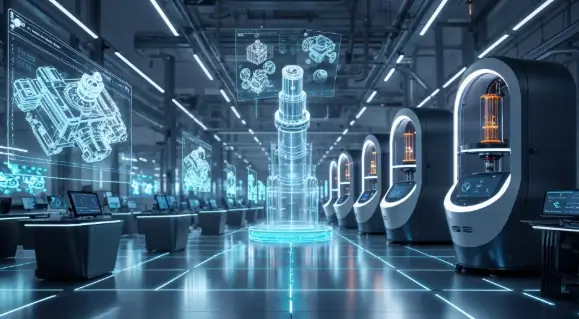
In today’s fast-paced industrial, commercial, and residential environments, efficiency and precision are more important than ever. Businesses and property owners are constantly seeking ways to reduce operational costs, improve productivity, and maintain greater control over their systems. One of the most effective solutions for achieving these goals is electrical automation. By integrating automated technologies into electrical systems, organizations can streamline operations, enhance reliability, and improve overall performance.
Understanding Electrical Automation
Electrical automation refers to the use of control systems, sensors, software, and automated equipment to manage electrical processes with minimal human intervention. These systems can monitor, regulate, and optimize various functions, including lighting, power distribution, machinery operation, and energy management.
Automation technologies are widely used across industries because they allow processes to operate more consistently and accurately than manual methods. Whether applied in manufacturing facilities, office buildings, or residential properties, automation helps create smarter and more responsive environments.
Increasing Operational Efficiency
One of the primary advantages of electrical automation is its ability to improve efficiency. Automated systems can perform repetitive tasks faster and more accurately than manual operators. This reduces delays, minimizes errors, and ensures that equipment functions according to predetermined parameters.
For example, automated control systems can regulate machinery operation based on production requirements, ensuring that resources are used efficiently. By eliminating unnecessary downtime and optimizing workflows, organizations can achieve higher productivity while reducing operational costs.
Enhancing System Control
Greater control is another significant benefit of electrical automation. Traditional systems often require manual adjustments and continuous monitoring, which can be time-consuming and prone to human error. Automated systems provide centralized control that allows operators to monitor and manage multiple processes from a single interface.
Real-time data collection and analysis enable users to make informed decisions quickly. Whether adjusting energy consumption, controlling equipment performance, or responding to changing conditions, automation provides a higher level of visibility and control over electrical operations.
Improving Energy Management
Energy efficiency has become a major priority for businesses and homeowners alike. Automated systems can help reduce energy waste by ensuring that electrical equipment operates only when needed. Through intelligent monitoring and scheduling, electrical automation can optimize power consumption and lower utility costs.
For instance, automated lighting systems can adjust brightness levels based on occupancy or natural light availability. Similarly, automated HVAC systems can regulate temperatures more efficiently, improving comfort while reducing energy usage. These capabilities contribute to both cost savings and environmental sustainability.
Reducing Human Error
Human error is a common cause of operational inefficiencies, equipment failures, and safety incidents. Manual processes often depend on consistent attention and accurate decision-making, which can be challenging in complex environments.
By implementing electrical automation, organizations can reduce the likelihood of mistakes caused by fatigue, distraction, or miscommunication. Automated systems follow programmed instructions precisely, ensuring consistent performance and minimizing variations that could impact productivity or safety.
Supporting Predictive Maintenance
Equipment failures can lead to costly downtime and unexpected repairs. One of the valuable features of modern electrical automation systems is their ability to support predictive maintenance strategies. Sensors and monitoring devices continuously collect data about equipment performance, allowing potential issues to be identified before they become major problems.
Early detection of abnormal conditions enables maintenance teams to schedule repairs proactively rather than reacting to sudden breakdowns. This approach extends equipment lifespan, reduces maintenance costs, and improves overall system reliability.
Enhancing Workplace Safety
Safety is a critical consideration in any environment that involves electrical systems and machinery. Automated technologies can help reduce risks by minimizing the need for direct human interaction with hazardous equipment.
Many electrical automation systems include built-in safety features such as emergency shutdown functions, fault detection capabilities, and automated alerts. These features allow operators to respond quickly to abnormal situations while reducing exposure to potentially dangerous conditions. As a result, workplaces become safer for employees and contractors alike.
Enabling Scalability and Flexibility
As businesses grow and operational requirements change, electrical systems must adapt accordingly. Automated solutions offer a high degree of flexibility, making it easier to expand or modify existing infrastructure.
Modern electrical automation platforms can often be integrated with new equipment and technologies without requiring extensive system redesigns. This scalability allows organizations to accommodate future growth while maintaining efficiency and control over their operations.
See also: How Technology Is Supporting Better Consumer Experiences
Improving Data Collection and Reporting
Accurate data is essential for making informed business decisions. Automated systems generate detailed performance reports that provide valuable insights into energy consumption, equipment utilization, and operational efficiency.
With electrical automation, organizations can access real-time information and historical data that supports strategic planning and continuous improvement initiatives. These analytics help identify opportunities for optimization and ensure that resources are being used effectively.
Conclusion
The benefits of electrical automation extend far beyond simple convenience. By improving efficiency, enhancing control, reducing human error, supporting predictive maintenance, and promoting workplace safety, automation technologies help organizations achieve better operational outcomes. As industries continue to embrace digital transformation, automated electrical systems are becoming an increasingly important tool for improving performance and maintaining a competitive advantage. Investing in automation not only enhances current operations but also provides a strong foundation for future growth and innovation.