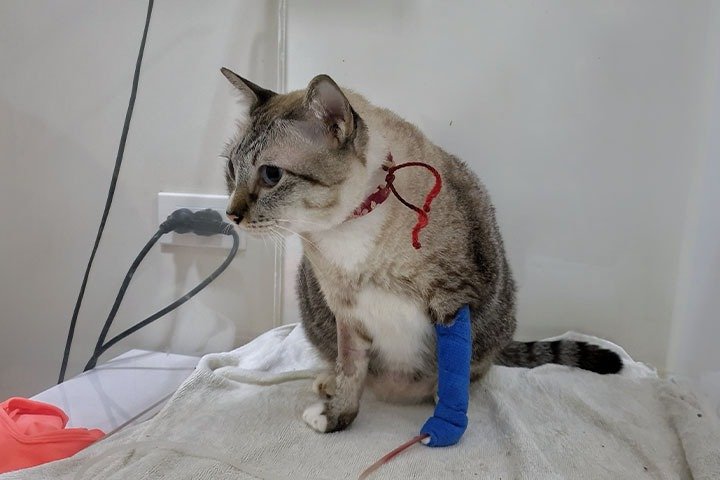
Taking care of your domestic cat demands a great deal of attention when it comes to monitoring his routine, eating habits, and general appearance. However, despite the fact that cats are experts in hiding any pain, some physiological changes cannot be overlooked. The moment you notice an unusual amount of water intake and subsequent body weight loss in your pet – this is a clear indication that something goes wrong with the internal organs of your four-legged companion.
Identifying the Causes of Increased Water Intake and Weight Loss
If you noticed an increased interest in visiting the water bowl and a hollowed out spine or body weight loss in your pet – then this is an indication that the cat’s internal regulatory system faces serious problems.Understanding why a cat drinking lots of water and losing weight requires immediate diagnostic investigation by a licensed veterinary professional to uncover the root cause.
Chronic Kidney Disease in Cats
One of the most frequent causes of thirst and muscle atrophy in aging cats is kidney disease that occurs progressively with time. Due to a reduction in the capability of the kidneys to make highly concentrated urine, the organism gets rid of the essential liquids and becomes extremely thirsty. Managing feline kidney disease requires a specialized veterinary care plan, including tailored dietary management, subcutaneous fluid therapy, and continuous monitoring of blood chemistry values.
Other Major Metabolic Disorders in Cats
Although kidney disease is one of the most frequent disorders in cats, it should be noted that sometimes excess thirst and muscle atrophy may indicate some endocrinological diseases, for example, diabetes mellitus or hyperthyroidism in cats. In case of diabetes, the cat’s body cannot make use of glucose properly, and, thus, the cat feels hungry but loses weight really quickly while drinking a lot.
The Role of Diagnostics and Free Water Availability
In assessing these inter-related symptoms, veterinarians utilize blood panels, urinalysis, and thyroid tests in order to obtain an accurate diagnosis. It is important during this diagnostic and the following treatment process that you give your cat free access to water 24/7 as restriction of access can easily result in dehydration, which can affect kidneys or metabolism.
See also: Understanding Substance Use Self-Assessment: A First Step Toward Change
Working Together with Your Veterinarian
In dealing with a complicated diagnosis, the role of pet owner and his/her veterinarian become even more essential as together they work to ensure optimal health of your feline friend. Once the condition is diagnosed, a customized course of treatment (from hormone replacement therapy to special diets) is used in order to make your cat happy and long-living.