Buying a resale condominium offers the advantage of immediate occupancy and established neighborhood amenities. When you tour a premium development like the Lucerne Grand, the impressive facade and manicured gardens can easily overshadow underlying structural or administrative issues. Successful property acquisition requires a keen eye during physical walkthroughs to avoid costly buyer’s remorse. Spotting subtle warning signs early protects your financial investment and ensures long-term peace of mind. This guide outlines the critical red flags you must look for when evaluating resale properties, helping you distinguish a well-maintained home from a potential money pit.
Examining Structural Integrity and Water Damage
Water damage stands as one of the most expensive and persistent issues in older buildings. During your viewing, pay close attention to the ceilings and walls, especially near bathrooms, kitchens, and external windows. Look for bubbling paint, yellowed patches, or powdery white deposits known as efflorescence. These signs indicate active or historical water seepage, which can lead to hazardous mold growth and weaken the concrete structure over time.
Don’t forget to check the window seals. High-quality developments, such as the Thomson Reserve, use durable sealants to keep tropical downpours out. However, if the seals have degraded, rainwater will seep into the plaster, causing internal dampness. Open and close every window to ensure they seal tightly against the frame.
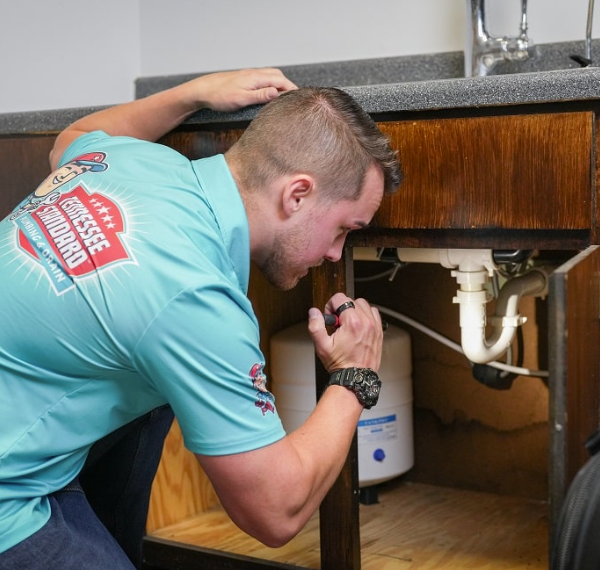
Additionally, inspect the walls for structural cracks. While hairline cracks in plaster are common as buildings settle, deep diagonal cracks that run through concrete walls or beams suggest structural movement. If you notice wide fissures or doors that fail to close properly because the frame is warped, you are looking at a major structural defect. Check under all sinks with a flashlight for hidden pipe leaks and sniff for a musty odor, which always signals trapped moisture.
Assessing Electrical and Plumbing Systems
While a modern renovation can hide outdated infrastructure, the underlying plumbing and electrical systems remain critical to daily comfort. Start by testing the water pressure in the bathrooms and kitchen. Turn on multiple taps simultaneously to see if the flow drops significantly. Weak pressure suggests clogged pipes or failing pressure regulators. Flush the toilets to ensure they drain quickly and refill without making loud, unusual noises.
Next, locate the electrical distribution board. A tidy, modern panel indicates proper maintenance, whereas an outdated box with messy wiring suggests a potential fire hazard. Ask the owner when the electrical wiring was last updated. In older developments, matching the standards of newer complexes like the Lucerne Grand may require a complete rewiring project, which can cost thousands of dollars.
Test the electrical outlets throughout the unit. Bring a small, portable device like a phone charger to verify that the sockets function correctly. Loose sockets or scorch marks around plug points indicate faulty wiring or overloaded circuits. If the unit relies on an individual storage water heater, check its age and look for rust around the tank, as replacing these units in tight ceiling spaces is both difficult and costly.
Evaluating Common Areas and Building Maintenance
A condominium unit does not exist in isolation; its value is deeply tied to the condition of the entire estate. As you walk from the security gate to the unit, observe the state of the common areas. Flaking paint on corridor walls, broken tiles in the lobby, and slow, jerky elevators indicate a management committee that is neglecting its duties.
Walk through the shared amenities, such as the swimming pool, gym, and playground. Well-run properties like the Thomson Reserve maintain pristine facilities to protect property values. If you see green pool water, broken gym equipment, or overgrown landscaping, the estate management is likely facing financial difficulties or administrative inertia.
Pay attention to the trash disposal areas. Smelly or overflowing rubbish chutes on the residential floors attract pests and indicate poor cleaning schedules. Check the notice boards in the lift lobbies for circulars regarding unpaid maintenance fees or disputes within the estate. If a significant percentage of residents are defaulting on their monthly contributions, the management fund will shrink, leading to a rapid decline in building maintenance and a drop in your future resale value.
Analyzing Noise Levels and Ventilation
A unit might look beautiful during a quiet weekday morning, but the environment can change drastically at other times. Noise pollution is a major red flag that affects your quality of life. Schedule your viewings at different times of the day, particularly during peak traffic hours or weekend evenings. Listen closely for road noise, nearby construction, or hums from commercial air conditioning compressors located outside the unit.
Open the windows to test the natural ventilation and airflow. A stuffy apartment that relies constantly on air conditioning will incur high utility bills. Notice the direction of the wind and whether neighboring blocks obstruct the natural light. Good cross-ventilation keeps the home cool and prevents the buildup of stagnant air and odors.
Be mindful of external smells and noise from neighbors. If the kitchen window faces a central courtyard where cooking odors accumulate, or if you hear loud television sets through the thin walls, you may face ongoing disturbances. High-end developments like the Lucerne Grand design layouts to maximize privacy and minimize noise transfer between units. If the layout of the resale unit compromises your privacy or exposes you to constant external noise, it is best to continue your search elsewhere.
Investigating Legal and Administrative Red Flags
Beyond the physical structure, administrative red flags can derail your purchase. Always request the latest Management Corporation Strata Title (MCST) meeting minutes and financial statements. Analyze the health of the sinking fund, which pays for major capital expenditures like roof repairs, painting, and lift replacements. If the sinking fund is depleted, owners face sudden, heavy special levies to cover emergency repairs.
Compare the current state of the estate with premier properties like the Thomson Reserve, which maintain substantial reserves to handle unexpected repairs without burdening owners. A healthy sinking fund ensures the property retains its luster and market value over decades.
Additionally, check for unauthorized renovations within the unit. Ask the seller for the official floor plan and verify that no load-bearing walls have been demolished without engineering approval. Unauthorized alterations can lead to structural instability and legal penalties from local building authorities. Finally, clarify the tenancy status if the unit is currently rented. A tenant who refuses to cooperate with viewings or leaves the property in poor condition can complicate the completion process and delay your move-in date.
Conclusion
Purchasing a resale condominium is a major financial milestone that requires careful due diligence. While cosmetic issues like peeling paint or outdated decor are easily fixed, structural defects, poor estate management, and failing utility systems can become permanent financial burdens. By systematically inspecting the unit, testing the plumbing and electrical systems, and reviewing the financial health of the management corporation, you protect yourself from bad investments. Keep these essential red flags in mind during your property tours to ensure your next home provides long-term comfort, security, and capital appreciation. Taking your time to evaluate these details will lead you to a property that truly stands the test of time.