For pet owners facing an upcoming procedure for their animal companion, understanding what animal surgery actually involves, from pre-operative preparation through recovery, helps reduce anxiety and supports better preparation for this significant experience.
Pre-Operative Assessment as a Critical First Step
Before any surgical procedure, thorough pre-operative assessment, typically including blood work and physical examination, helps identify any underlying health concerns that might affect anesthesia safety or surgical risk, allowing the surgical team to adjust their approach appropriately for your individual pet’s specific health profile rather than applying a purely standardized approach regardless of individual animal health status.
See also: Northern Beaches Possum Removal – 24/7 Emergency Local Wildlife Services
How Anesthesia Safety Has Advanced in Veterinary Practice
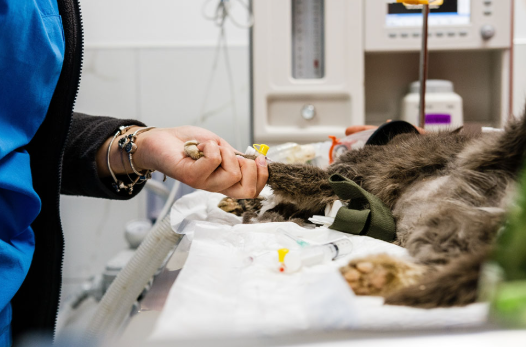
Modern veterinary anesthesia protocols have advanced considerably, with sophisticated monitoring equipment tracking vital signs continuously throughout a procedure, allowing surgical teams to respond quickly to any concerning changes during surgery. Understanding that this monitoring infrastructure represents a genuine safety advancement compared to less sophisticated historical approaches can help ease some pet owner anxiety about anesthesia risk specifically.
What the Actual Surgical Process Typically Involves
Depending on the specific procedure needed, the actual surgical process varies considerably in complexity and duration, though most procedures follow a general pattern of careful preparation, the surgical procedure itself performed under appropriate anesthesia and monitoring, and immediate post-operative monitoring before the animal begins the recovery process, whether that involves a same-day return home or a longer supervised recovery period depending on procedure complexity.
For pet owners preparing for an upcoming procedure, this overview of animal surgery services covers the typical process from pre-operative assessment through post-surgical care guidance.
Why Post-Operative Care Compliance Genuinely Affects Recovery Outcomes
The period following surgery matters just as much as the procedure itself for overall recovery success, making careful attention to post-operative care instructions, including activity restriction, medication administration, and incision site monitoring, genuinely important for supporting smooth healing and avoiding complications that inadequate aftercare compliance can sometimes cause.
Frequently Asked Questions
How can pet owners help reduce their own anxiety before their pet’s surgery? Thoroughly understanding the specific procedure, asking detailed questions during pre-surgical consultation, and trusting in modern anesthesia monitoring advancements can all help ease pre-surgical anxiety for concerned pet owners.
Is anesthesia genuinely safe for most healthy pets undergoing surgery? Modern anesthesia protocols and monitoring have made this considerably safer than in past decades, though individual risk always depends on specific pet health factors identified during pre-operative assessment.
How important is following post-operative care instructions precisely? Very important; consistent compliance with aftercare instructions genuinely affects recovery success and helps avoid complications that can arise from inadequate post-surgical care.
Final Thoughts
Understanding the genuine process behind animal surgery, from careful pre-operative assessment through attentive post-operative care, helps pet owners approach this experience with more confidence and better prepares them to support their pet’s successful recovery.