Learning that your pet needs surgery can be an anxious moment for any pet owner, often accompanied by a flood of questions about what the process actually involves. Understanding what typically happens at each stage of animal surgery, from the initial consultation through post-operative recovery, can help ease some of that uncertainty and allow pet owners to feel more prepared and confident throughout the experience.
The Pre-Surgical Consultation and Assessment
Before any surgical procedure takes place, your veterinary team will typically conduct a thorough pre-surgical assessment, which may include blood work, physical examination, and in some cases, imaging studies to fully understand your pet’s condition and confirm they are a suitable candidate for anesthesia and surgery. This assessment stage is genuinely important, as it helps identify any underlying health concerns that could affect surgical risk before the procedure is scheduled.
During this consultation, pet owners should expect a detailed discussion about the specific procedure being recommended, the reasons it’s necessary, and what alternative treatment options, if any, might be available depending on the specific condition being addressed.
Preparing Your Pet in the Days Before Surgery
In the days leading up to a scheduled procedure, your veterinary team will typically provide specific instructions regarding fasting requirements, medication adjustments, and any other preparation steps needed to ensure the safest possible surgical experience. Following these instructions precisely matters considerably, since deviations, such as feeding your pet when fasting was required, can lead to surgery being postponed for safety reasons.
See also: Northern Beaches Possum Removal – 24/7 Emergency Local Wildlife Services
What Happens on Surgery Day
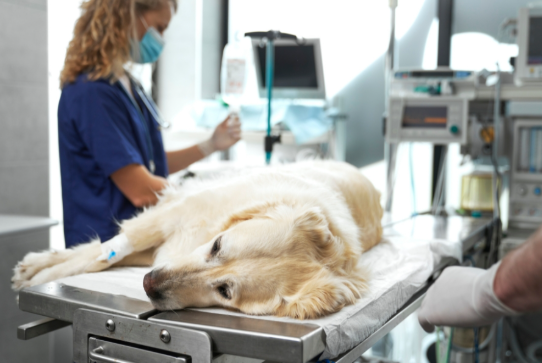
On the day of the procedure itself, your pet will typically undergo a final health check before anesthesia is administered. Throughout the surgery, a trained veterinary team monitors vital signs continuously, adjusting anesthesia levels as needed to maintain your pet’s safety and stability throughout the procedure. This continuous monitoring is a critical safety component that distinguishes well-run veterinary surgical facilities.
The Immediate Post-Operative Period
Immediately following surgery, pets typically remain under close observation as they recover from anesthesia in a controlled, quiet environment. This recovery period allows the veterinary team to monitor for any immediate complications and ensure your pet is stable before being discharged or moved to longer-term post-operative care, depending on the specific procedure performed.
Recovery at Home
Once discharged, pet owners play a crucial role in supporting their pet’s recovery, following specific aftercare instructions that typically include activity restriction, wound care, and medication administration. Understanding these instructions clearly before leaving the veterinary facility, and asking any remaining questions before heading home, helps ensure a smoother recovery process.
For pet owners preparing for an upcoming procedure, understanding the full scope of what animal surgery involves, from initial assessment through recovery, can help reduce anxiety and allow for better preparation both practically and emotionally throughout the process.
Recognizing Warning Signs During Recovery
While most surgical recoveries proceed smoothly when aftercare instructions are followed carefully, pet owners should understand what warning signs would warrant contacting their veterinary team promptly, such as excessive swelling, discharge from the surgical site, or a noticeable decline in energy or appetite during the recovery period.
Frequently Asked Questions
How long before surgery should a pet stop eating, if fasting is required? This varies depending on the specific procedure and anesthesia protocol used, so pet owners should follow the exact fasting instructions provided by their veterinary team rather than relying on general assumptions.
Is it normal for a pet to seem groggy or disoriented after surgery? Yes, some grogginess following anesthesia is entirely normal in the hours immediately following a procedure, though pet owners should follow their veterinary team’s guidance on what level of continued lethargy would warrant further evaluation.
What should be done if a pet tries to lick or scratch at a surgical incision during recovery? Most veterinary teams recommend protective measures such as a recovery collar to prevent pets from interfering with a healing incision, and this guidance should be followed closely to avoid complications or delayed healing.
Conclusion
Understanding what to expect at each stage of animal surgery, from pre-surgical assessment through home recovery, helps pet owners feel more confident and prepared when their pet requires a procedure. Close communication with your veterinary team throughout this process, combined with careful adherence to their pre- and post-operative instructions, remains the most reliable way to support a smooth and successful surgical outcome for your pet.
Article No:41
Puppy Spay Surgery: Timing, Benefits, and What Owners Should Know
Bringing a new puppy home comes with a long list of decisions, and among the more consequential ones is deciding when and whether to schedule a spay procedure. For female puppies, spaying represents one of the most common and well-established veterinary surgical procedures, yet many new owners still have genuine questions about timing, benefits, and what the recovery process actually involves.
What the Spay Procedure Actually Involves
A spay, medically referred to as an ovariohysterectomy, involves the surgical removal of a female dog’s ovaries and uterus. This procedure is performed under general anesthesia and is considered a routine, well-established surgery within veterinary practice, though like any surgical procedure, it does carry some inherent risk that veterinary teams work to minimize through careful pre-surgical assessment and monitoring.
Beyond its role in preventing pregnancy, the procedure also eliminates the heat cycle a female dog would otherwise experience roughly twice yearly, along with the associated behavioral changes and potential for unwanted attention from male dogs that many owners find challenging to manage.
Health Benefits Beyond Preventing Pregnancy
Spaying offers meaningful health benefits beyond simply preventing unwanted litters. Female dogs spayed before their first heat cycle typically have a significantly reduced risk of developing mammary tumors later in life, and the procedure entirely eliminates the risk of pyometra, a potentially life-threatening uterine infection that can affect unspayed female dogs, particularly as they age.
Determining the Right Timing for Your Puppy
The question of when exactly to spay a puppy has evolved somewhat in veterinary thinking over recent years, with some research suggesting that timing considerations may vary depending on breed size and individual health factors. Rather than relying on generic guidance, discussing the specific timing recommendation for your particular puppy’s breed and size with your veterinarian helps ensure the decision reflects current, individualized best practice rather than outdated one-size-fits-all assumptions.
Pre-Surgical Considerations for Young Puppies
Before scheduling a spay procedure, your veterinary team will typically conduct an age-appropriate health assessment to confirm your puppy is a suitable candidate for the surgery. This may include confirming appropriate vaccination status and ensuring your puppy has reached a healthy weight and developmental stage appropriate for the procedure.
Recovery Expectations Following the Procedure
Most puppies recover from spay surgery within one to two weeks, though individual recovery timelines can vary. During this period, owners typically need to restrict vigorous activity, monitor the incision site for signs of proper healing, and often use a protective collar to prevent the puppy from licking or scratching at the surgical site while it heals.
For new puppy owners seeking detailed guidance on preparing for this procedure, this resource covering puppy spay surgery provides additional detail on health benefits and what to expect throughout the process, helping owners feel more prepared before their puppy’s scheduled procedure.
Addressing Common Owner Concerns
Many new owners worry about their puppy experiencing significant pain or distress from the procedure, though modern veterinary anesthesia and pain management protocols are specifically designed to keep patients comfortable throughout and after surgery. Discussing pain management specifically with your veterinary team beforehand can help address these understandable concerns.
Frequently Asked Questions
Is spaying necessary if there’s no intention to breed the puppy? Yes, spaying is generally recommended regardless of breeding intentions, given the significant health benefits, including reduced cancer risk and elimination of pyometra risk, that the procedure provides beyond simply preventing pregnancy.
How much activity restriction is needed after a puppy spay procedure? Most veterinary teams recommend limiting vigorous activity, including running and jumping, for approximately two weeks following surgery, though your veterinarian will provide specific guidance based on your puppy’s individual recovery progress.
Does spaying affect a puppy’s long-term behavior or personality? Spaying primarily affects reproductive hormone-driven behaviors, such as heat cycle-related changes, and does not fundamentally alter a puppy’s core personality or temperament in the way some owners mistakenly assume.
Conclusion
Puppy spay surgery remains one of the most well-established and beneficial procedures a female puppy owner can pursue, offering both reproductive control and meaningful long-term health advantages. Discussing appropriate timing and preparation with your veterinary team helps ensure this common procedure proceeds smoothly, setting your puppy up for a healthier future.