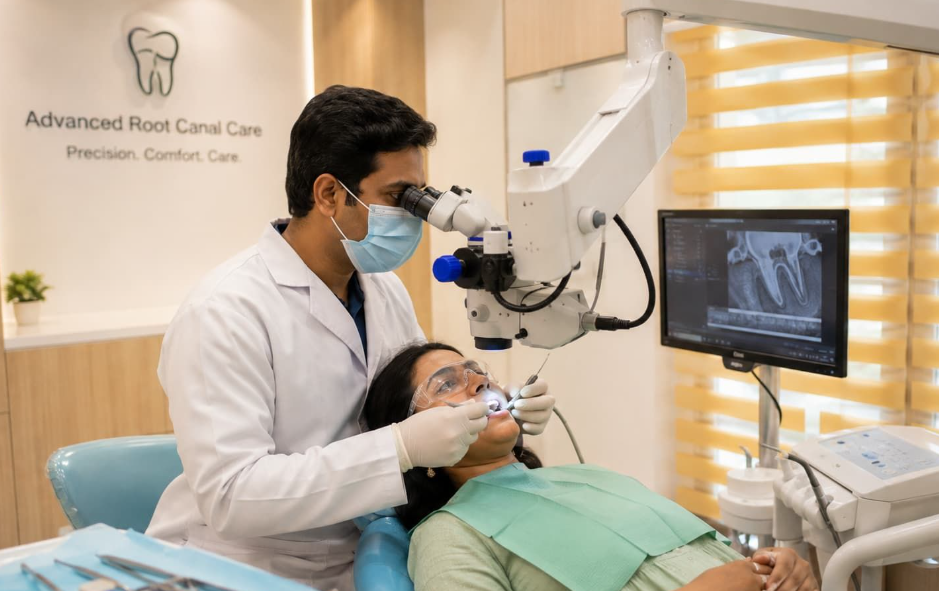
The Mythology Surrounding Endodontic Treatment
Root canal treatment has acquired an almost legendary status in the public imagination, yet not in the manner one might hope. Despite being one of the most common and successful procedures in modern dentistry, it remains shrouded in misconception, fear, and outdated beliefs. The very mention of the phrase can cause patients to grimace, yet the reality of contemporary endodontic therapy provided by a dentist in Berkhamsted bears little resemblance to the horror stories that persist in popular culture.
The gap between perception and reality has widened considerably over recent decades, even as the procedure itself has become increasingly sophisticated and comfortable. Advanced anaesthetic techniques, digital imaging, and refined methodologies have transformed root canal treatment into a routine intervention that typically causes no more discomfort than having a standard filling placed. Nevertheless, the myths endure, passed down through generations and amplified by dramatic portrayals in films and television.
Understanding What Root Canal Treatment Actually Involves
At its core, endodontic therapy is a procedure designed to save a tooth that would otherwise require extraction. When the pulp inside a tooth becomes infected or inflamed due to deep decay, repeated dental procedures, or trauma, intervention becomes necessary. The treatment involves removing the damaged pulp, carefully cleaning and disinfecting the inner chambers of the tooth, and then filling and sealing the space to prevent further infection.
The benefits and success rates of modern root canal procedures demonstrate just how effective this treatment has become. Contemporary techniques allow dental professionals to preserve natural teeth that would have been lost just a generation ago, maintaining the integrity of the dental arch and preventing the cascade of problems that tooth loss can trigger.
See also: How Natural Shampoo Supports Scalp and Hair Health
The Historical Context of Endodontic Fear
To understand why root canal treatment carries such a fearsome reputation, one must consider the historical context. Decades ago, before the advent of modern anaesthesia and precision instruments, dental procedures of all kinds were genuinely uncomfortable experiences. Root canal treatment, being more complex than simple extractions or fillings, naturally acquired a particularly daunting reputation during this era.
For those seeking professional care, a dentist can provide contemporary endodontic services that bear no resemblance to these historical procedures. Modern practitioners utilise digital radiography, rotary endodontic instruments, and sophisticated anaesthetic protocols that ensure patient comfort throughout the process.
The Role of Media and Cultural Narratives
Popular culture has played a significant role in perpetuating misconceptions about root canal treatment. Films, television programmes, and casual conversations often use the procedure as a shorthand for something unpleasant or to be avoided at all costs. These cultural references create a feedback loop where the reputation of the treatment becomes divorced from the actual experience, influencing public perception far more effectively than factual information ever could.
The entertainment industry’s portrayal rarely reflects the calm, methodical nature of modern endodontic work. Instead, dramatic licence takes precedence, creating scenes designed for comedic or tension-building effect rather than accuracy. This disconnect between representation and reality has proved remarkably persistent, despite efforts by dental professionals to educate the public about contemporary practices.
The Scientific Reality of Modern Endodontics
Research continues to demonstrate the effectiveness and safety of root canal treatment. Studies published in peer-reviewed journals, including recent research on endodontic outcomes, consistently show high success rates and patient satisfaction levels. The procedure allows individuals to retain their natural teeth, which remains preferable to extraction and replacement options in most clinical scenarios.
The advantages of preserving natural teeth through endodontic treatment extend beyond immediate pain relief. Maintaining the natural tooth structure supports proper jaw alignment, preserves bone density, and eliminates the need for more extensive restorative work. From both a functional and economic perspective, successful root canal treatment represents an investment in long-term oral health.
Moving Beyond Misconceptions
The persistence of myths surrounding root canal treatment highlights a broader challenge in healthcare communication. When seeking a dentist, patients benefit from open conversations about their concerns and accurate information about what procedures entail. Modern dental practices prioritise patient comfort and employ numerous strategies to ensure positive experiences.
Education remains the most powerful tool for dispelling misconceptions. As more individuals share their positive experiences with endodontic treatment, the outdated narratives may finally begin to fade. The procedure has evolved dramatically, and public perception deserves the opportunity to catch up with clinical reality, allowing patients to make informed decisions based on facts rather than fiction.