Behind every reliable peristaltic pump lies a set of design decisions balancing flow accuracy, tubing longevity, and mechanical durability, decisions that directly shape how well a pump performs across the demanding, continuous-duty applications many industries depend on. Understanding this underlying design philosophy helps buyers better evaluate whether a specific pump manufacturer’s approach aligns with their application needs.
The Core Mechanics of Peristaltic Pumping
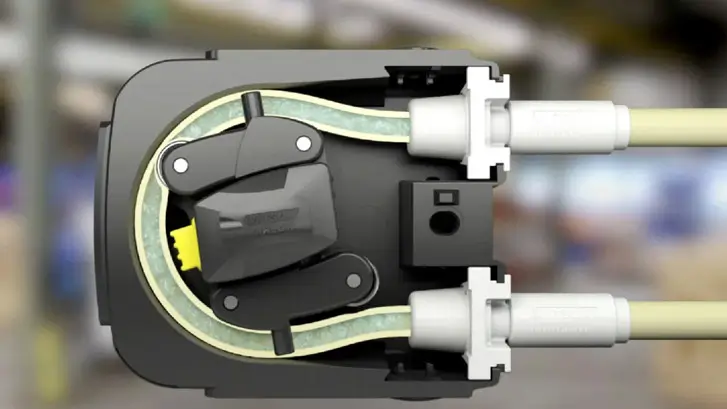
Peristaltic pump technology works by using rotating rollers to progressively compress a flexible tube, pushing fluid forward through the compressed section while the tube behind the roller recovers to its original shape, drawing new fluid in behind it. This mechanically simple principle belies the engineering precision required to achieve consistent, accurate flow rates across extended operating periods, since roller design, compression force calibration, and tubing material selection all significantly affect pump performance.
Engineering Priorities Reflected in Product Design
A jihpump peristaltic pump reflects design priorities around achieving consistent flow accuracy across extended duty cycles, minimizing tubing wear to extend service intervals between tube replacements, and maintaining mechanical reliability across the demanding continuous operation many industrial and laboratory applications require.
Roller and Rotor Design Considerations
The number and configuration of rollers on a peristaltic pump’s rotor significantly affects flow pulsation characteristics, with more rollers generally producing smoother, more continuous flow at the cost of somewhat increased tubing wear from more frequent compression cycles. Manufacturers need to balance these competing considerations based on the target application’s tolerance for flow pulsation versus tubing service life requirements.
Tubing Compatibility and Material Science
Since the tubing itself represents a wear component requiring periodic replacement, manufacturers need to design pump mechanisms compatible with a range of tubing materials suited to different chemical compatibility and durability requirements, from silicone tubing common in food and pharmaceutical applications to more chemically resistant materials needed for aggressive industrial fluids.
See also: Creating a Vision for Business Success
Motor Selection and Speed Control
Flow rate control in peristaltic pumps depends on precise motor speed regulation, and manufacturers investing in quality motor and control system engineering achieve more accurate and consistent flow rates across varying operating conditions compared to pumps relying on less sophisticated speed control mechanisms.
Balancing Design Complexity With Practical Reliability
While sophisticated engineering can deliver impressive performance specifications, manufacturers also need to balance this complexity against practical field reliability, since overly complex mechanisms can introduce additional failure points that undermine the fundamental reliability advantage peristaltic pump technology is known for in demanding continuous-duty applications.
Conclusion
Understanding the engineering philosophy and design priorities behind a peristaltic pump manufacturer’s product line provides valuable insight into how well their equipment is likely to perform for specific application requirements. Buyers who look beyond basic specifications to understand these underlying design considerations make more informed equipment selection decisions.
FAQs
Q1: How does roller configuration affect peristaltic pump performance? More rollers generally produce smoother flow with reduced pulsation, but at the cost of increased tubing wear from more frequent compression cycles.
Q2: Why does tubing material selection matter for peristaltic pumps? Different applications require different chemical compatibility and durability characteristics, making appropriate tubing material selection essential for reliable long-term operation.
Q3: What role does motor quality play in peristaltic pump accuracy? Precise motor speed regulation directly affects flow rate accuracy and consistency, making quality motor and control system engineering important for reliable performance.