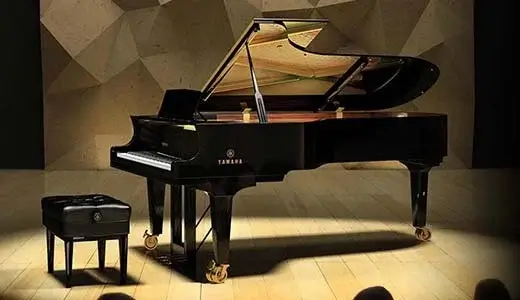
Choosing the best piano for beginners can feel surprisingly complicated given how many options exist, from compact digital keyboards to full acoustic upright pianos. For anyone just starting their musical journey, or parents buying an instrument for a child, understanding the key differences can prevent an expensive and frustrating mistake.
Acoustic Versus Digital: The First Big Decision
Traditional acoustic pianos offer a richness of tone and a genuine tactile playing experience that many musicians consider unmatched, but they also require regular tuning, take up considerable space, and represent a larger upfront investment. Digital pianos, by contrast, offer convenience, headphone practice options, and generally lower maintenance, making them an increasingly popular choice for beginners who are still determining their long-term commitment to the instrument.
Neither option is universally correct; the right choice depends on available space, budget, and how seriously the player intends to pursue their musical development over the coming years.
Key Features Worth Prioritising
Weighted Keys
For beginners, especially those who may eventually want to play more advanced repertoire, weighted or semi-weighted keys are important. They more closely mimic the resistance of an acoustic piano, helping build proper finger strength and technique from the very beginning.
Sound Quality and Number of Voices
While extensive sound libraries are not essential for a true beginner, a decent quality piano tone makes practice more enjoyable and can help develop a better musical ear over time compared with a thin, tinny sound often found in lower-quality instruments.
Getting Expert Guidance
Given the range of options available, consulting a detailed comparison guide can be genuinely useful before making a purchase decision. Resources covering the best piano for beginners break down specific models and price points, helping first-time buyers narrow down their choices based on real product comparisons rather than marketing claims alone.
See also: Comparing Business Structures: Which is Best for You in Singapore?
Budgeting Realistically
It is worth resisting the temptation to buy the cheapest available option purely to save money upfront, since poor build quality or unresponsive keys can genuinely discourage a beginner from continuing their lessons. At the same time, an expensive professional-grade instrument is rarely necessary for someone just starting out, so finding a reasonable middle ground tends to be the most sensible approach.
Trying Before Buying
Whenever possible, visiting a physical store to actually play a few different models before purchasing is strongly recommended. The feel of the keys and the resulting sound can vary considerably between brands and models, and this is difficult to fully judge from online descriptions or specifications alone.
Frequently Asked Questions
Is a digital piano suitable for serious long-term learning?
Yes, many higher-quality digital pianos are well suited to long-term learning, particularly those with weighted keys and quality sound sampling, though some advanced players eventually transition to acoustic instruments.
How much should a beginner expect to spend?
Budgets vary widely, but reasonable beginner instruments, whether digital or acoustic, are generally available across a range of price points, making it worth comparing several options before deciding.
Does keyboard size matter for beginners?
A full 88-key range is generally recommended even for beginners, since it allows for proper technique development and ensures the instrument can support more advanced pieces as skills progress.
Final Thoughts
Taking the time to research and compare options before committing to a piano purchase pays off considerably, helping beginners start their musical journey with an instrument that genuinely supports their learning rather than working against it.