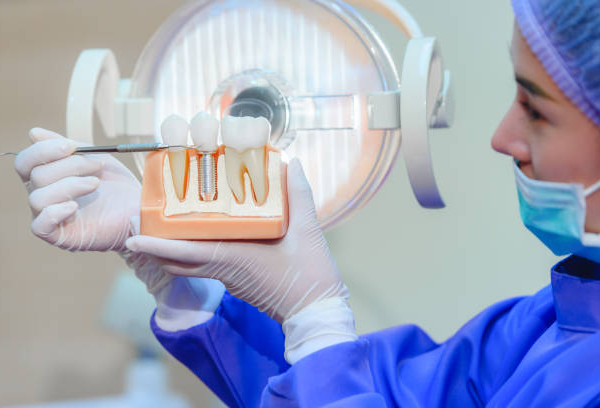
Missing teeth can affect more than just your smile. They may make chewing uncomfortable, change the way you speak, and impact your confidence in everyday situations. Fortunately, modern restorative dentistry offers several ways to replace missing teeth and restore oral function. One common option is a dental bridge, which fills the gap left by one or more missing teeth.
If you are considering a dental bridge in Dallas TX, understanding the available treatment options, benefits, costs, and maintenance requirements can help you make an informed decision. Dental bridges are designed to blend with your natural teeth while restoring your ability to chew and speak comfortably.
In this guide, we will explain what dental bridges are, how they work, the different types available, and what Dallas patients should know before choosing this tooth replacement option.
What Is a Dental Bridge?
A dental bridge is a fixed dental restoration used to replace one or more missing teeth. It consists of artificial teeth that fill the gap and are supported by neighbouring natural teeth, dental implants, or a combination of supporting structures, depending on the type of bridge.
Dental bridges are custom-made to match the shape, size, and colour of your existing teeth. When properly designed and maintained, they can restore the appearance of your smile and improve everyday oral function.
How Does a Dental Bridge Work?
A traditional dental bridge typically uses crowns placed over the teeth on either side of the gap. These supporting teeth, known as abutment teeth, hold the artificial tooth or teeth in position.
Other bridge designs may use dental implants for support or attach to a single supporting tooth in carefully selected situations.
The appropriate design depends on the location of the missing teeth, the condition of surrounding teeth, your gum health, and the amount of available jawbone.
Types of Dental Bridges Available in Dallas, TX
Understanding the different types of dental bridges can help you discuss suitable options with your dentist.
1. Traditional Dental Bridges
Traditional bridges are among the most commonly used options for replacing missing teeth. They generally consist of one or more artificial teeth supported by crowns placed on natural teeth adjacent to the gap.
Potential benefits include:
- Replacing one or more missing teeth in a row.
- Providing a fixed restoration rather than a removable appliance.
- Restoring chewing function and smile appearance.
However, preparing the supporting teeth usually requires removing some enamel. Your dentist will assess whether those teeth are healthy enough to support the bridge.
2. Cantilever Dental Bridges
A cantilever bridge is supported by a natural tooth on only one side of the missing tooth or teeth. This design may be suitable in selected cases where the bite forces and position of the gap allow adequate support.
Because the restoration can place additional pressure on its supporting tooth, it is not appropriate for every location in the mouth. Your dentist will determine whether this option is suitable for your individual circumstances.
3. Maryland Dental Bridges
A Maryland bridge uses a framework, often with small wings bonded to the back of neighbouring teeth, to hold a replacement tooth in place.
This approach may require less alteration of the supporting teeth than a traditional bridge. It is often considered for replacing a front tooth, where biting forces may be lower.
However, the bonding may loosen over time, and the option may not be suitable for every patient.
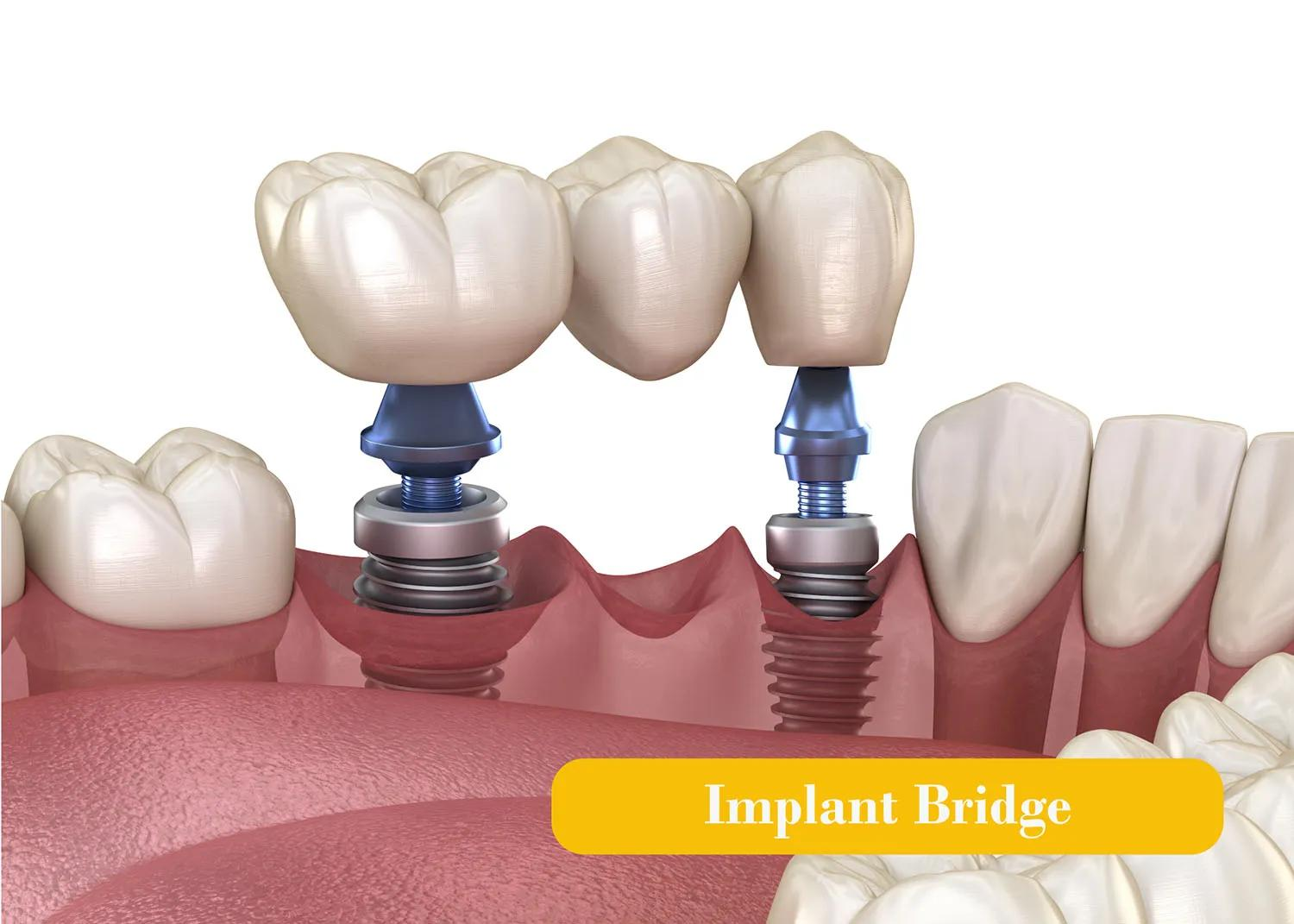
4. Implant-Supported Dental Bridges
An implant-supported bridge uses dental implants placed in the jawbone to support replacement teeth. It can be an option for people missing several adjacent teeth.
Unlike a traditional bridge, this design generally does not rely on neighbouring natural teeth for support. It does, however, involve implant surgery and a healing period.
The dentist will assess bone quality, gum health, general health, and other factors before recommending this treatment.
Benefits of Getting a Dental Bridge
A dental bridge can offer several advantages for patients who want to restore missing teeth.
Restores Chewing Function
Missing teeth can make it difficult to chew certain foods comfortably. A properly fitted bridge helps fill the gap and restore function, allowing you to enjoy a wider variety of foods.
Your dentist will also check your bite to ensure that the bridge fits comfortably and distributes chewing forces appropriately.
Improves Smile Appearance
Gaps caused by missing teeth can affect the appearance of your smile. Dental bridges are customised to complement your natural teeth, helping create a more balanced and complete look.
The final appearance depends on the materials used, the position of the missing teeth, and the design of the restoration.
Supports Speech
Missing teeth can sometimes affect the way certain sounds are produced. Replacing them with a properly fitted dental bridge may help improve speech clarity, although the result depends on the location and number of missing teeth.
Provides a Fixed Tooth Replacement
Unlike removable dentures, most dental bridges are fixed in place. This can provide stability during daily activities such as speaking and eating.
A bridge still requires careful cleaning and routine professional monitoring to maintain its condition.
Who Is a Good Candidate for a Dental Bridge?
Dental bridges can be suitable for many people with missing teeth, but treatment depends on individual oral health and the type of restoration being considered.
You may be a potential candidate if you:
- Have one or more missing teeth.
- Have healthy gums or gum disease that has been treated.
- Have suitable supporting teeth for a traditional bridge.
- Have adequate bone and appropriate oral health for an implant-supported bridge, if that option is being considered.
- Can maintain good oral hygiene and attend regular dental appointments.
Patients with untreated gum disease, extensive tooth decay, or weakened supporting teeth may need additional treatment before receiving a bridge.
A dental examination helps determine the most appropriate approach for your needs.
What to Expect During the Dental Bridge Procedure
The treatment process varies according to the type of bridge selected. A traditional dental bridge generally involves several steps.
Step 1: Dental Examination and Treatment Planning
Your dentist will examine your teeth and gums, review your dental history, and assess your bite. X-rays or other imaging may be recommended to evaluate the supporting teeth and surrounding structures.
During this visit, you can discuss the treatment options, expected timeline, materials, and estimated costs.
Step 2: Preparing the Supporting Teeth
For a traditional bridge, the supporting teeth are carefully reshaped to accommodate dental crowns. Impressions or digital scans are then taken to create a restoration that fits your mouth.
A temporary bridge may be provided while the final restoration is being made.
This preparation step is generally not required in the same way for every other bridge design.
Step 3: Fitting the Dental Bridge
Once the permanent bridge is ready, your dentist checks its fit, appearance, and bite. Necessary adjustments are made before the restoration is secured.
Your dentist will explain how to care for the bridge and what sensations to expect as you adjust to it.
Step 4: Follow-Up and Maintenance
Follow-up appointments help ensure that the bridge remains comfortable and that the supporting teeth and gums stay healthy.
Contact your dentist if you experience persistent discomfort, a loose restoration, swelling, or difficulty biting after treatment.
How Much Does a Dental Bridge Cost in Dallas, TX?
The cost of a dental bridge in Dallas varies depending on the type of bridge, the number of teeth being replaced, the materials used, and the complexity of treatment.
Additional procedures, such as treating gum disease, restoring damaged teeth, or placing dental implants, can affect the overall expense.
Dental insurance may cover part of the cost, depending on your plan, coverage limits, and eligibility requirements.
Before beginning treatment, ask for a detailed estimate that includes the restoration, examinations, imaging, any necessary preparatory procedures, and follow-up care. You can also ask about available payment arrangements and insurance benefits.
How to Care for Your Dental Bridge
Good oral hygiene helps protect your bridge and the teeth and gums that support it.
Follow these essential care practices:
- Brush twice daily with a soft-bristled toothbrush and fluoride toothpaste.
- Clean beneath the bridge using a floss threader, interdental brush, or another method recommended by your dentist.
- Schedule regular dental examinations and professional cleanings.
- Avoid chewing ice or other excessively hard objects that could damage the restoration.
- Limit frequent sugary snacks and drinks to help reduce the risk of tooth decay around supporting teeth.
With proper care, many dental bridges can last for years. Their lifespan depends on the materials, oral hygiene, bite forces, and health of the supporting structures.
Dental Bridge vs. Dental Implant: Which Is Better?
Dental bridges and individual dental implants can both replace missing teeth, but they work differently.
A traditional bridge usually relies on neighbouring teeth for support and may be completed without implant surgery. Dental implants are placed in the jawbone and can replace individual missing teeth without requiring adjacent teeth to support crowns.
A bridge may be appropriate when neighbouring teeth already need crowns or when implant surgery is not preferred or suitable. Implants may be worth considering when preserving neighbouring teeth is a priority and the patient is an appropriate candidate.
Neither option is automatically best for everyone. Your dentist can explain the benefits, limitations, treatment time, maintenance needs, and costs of each approach.
Conclusion
Choosing the right tooth replacement option can help restore your smile, improve chewing function, and support your long-term oral health. Dental bridges offer a practical solution for many people with missing teeth, with several designs available to suit different dental needs.
If you are researching a dental bridge in Dallas TX, start by arranging a dental evaluation to determine which treatment is suitable for your oral health, budget, and goals. Understanding the procedure, expected costs, and maintenance requirements can help you approach treatment with confidence.
With appropriate planning and consistent dental care, a well-maintained dental bridge can help you enjoy a more functional and complete smile for years to come.