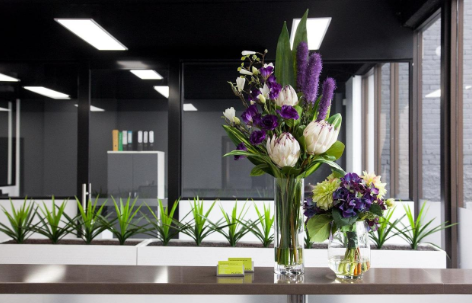
A well-designed workspace can influence how people feel when they arrive at the office. From welcoming reception areas to comfortable meeting rooms and organised workstations, thoughtful interior décor helps create a professional and inviting environment. One simple way to enhance an office interior is by incorporating flowers into the design.
Office floral arrangements can introduce colour, texture, and visual interest into otherwise ordinary workspaces. Whether you prefer fresh seasonal blooms or realistic artificial flowers, the right arrangement can complement your office furniture, soften the appearance of formal interiors, and create a more welcoming atmosphere for employees and visitors.
However, decorating an office with flowers requires a slightly different approach from styling a home. Arrangements should suit the available space, complement the workplace design, and remain practical for everyday use. By choosing appropriate flowers, coordinating colours, and placing arrangements thoughtfully, you can create a workspace that looks polished without becoming cluttered.
Why Floral Décor Makes a Difference in the Workplace
Office interiors often feature desks, chairs, computers, glass partitions, and neutral colour schemes. Although these elements support a professional environment, they can sometimes make a workspace feel plain or impersonal.
Flowers offer a simple way to introduce softer textures and decorative colour without making significant changes to the existing interior.
Some benefits of adding floral décor to an office include:
- Improved visual appeal: Flowers can make workspaces look more polished and thoughtfully designed.
- A welcoming atmosphere: Floral displays can help reception areas feel more inviting to visitors.
- Better colour coordination: Arrangements can complement office furniture, wall colours, and decorative accessories.
- Flexible styling options: Different flower types and arrangements can suit modern, traditional, and minimalist interiors.
- Seasonal variety: Floral displays can be updated throughout the year to refresh the appearance of the workspace.
- Convenient decoration: Artificial flowers offer a low-maintenance option for busy offices.
While flowers are not a substitute for good workplace design, they can be a useful decorative element that adds character to professional interiors.
1. Create a Welcoming Reception Area with Floral Displays
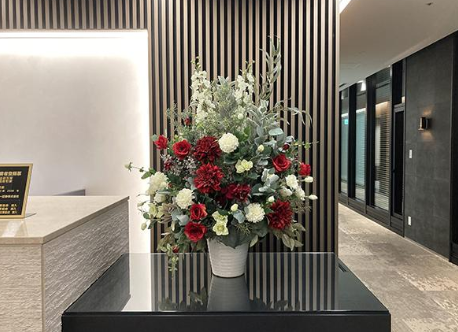
The reception area is often the first space visitors see when entering an office. Its appearance can influence their initial impression of the organisation, making it an ideal place for a carefully selected floral arrangement.
Choose Flowers That Complement the Reception Desk
A floral display should enhance the reception area without interfering with everyday activities. Consider the size of the desk, the available counter space, and the overall design of the entrance.
Suitable ideas include:
- A medium-sized arrangement placed at one end of the reception counter.
- A tall floral display positioned on a nearby console table.
- White flowers combined with greenery for a clean, professional appearance.
- Subtle pastel arrangements that complement neutral interiors.
- A contemporary arrangement with sculptural stems for modern office spaces.
Keep the Display Professional and Uncluttered
Reception areas should remain functional, particularly where visitors sign in or employees handle documents.
Choose an arrangement that fits the available space and does not obstruct screens, signage, or important work surfaces. A single well-designed display can create a stronger visual impression than several small arrangements competing for attention.
2. Brighten Individual Workstations with Small Floral Arrangements
Individual desks can sometimes feel repetitive, especially in offices with uniform furniture and limited decorative elements. A small floral arrangement can introduce personality while maintaining an organised appearance.
Select Compact Designs for Desk Space
Small arrangements are generally more suitable for individual workstations because they take up less room and are easier to maintain.
Consider the following options:
- A small vase with a few carefully selected flowers.
- A compact artificial floral arrangement beside a monitor.
- A minimalist display featuring one or two distinctive stems.
- A small arrangement on a side cabinet or shared desk divider.
- Subtle greenery combined with neutral-coloured blooms.
Prioritise Comfort and Practicality
Floral arrangements should never interfere with computer screens, paperwork, equipment, or comfortable movement.
Keep the display away from areas where it could easily be knocked over. If fresh flowers are used, ensure that the vase is stable and positioned where accidental spills are unlikely to damage electrical equipment or important documents.
For shared workstations, small and understated arrangements are often the most practical choice.
3. Enhance Meeting Rooms with Elegant Centrepieces
Meeting rooms are used for discussions, presentations, interviews, and collaborative sessions. Floral décor can make these spaces feel more considered while maintaining a professional atmosphere.
Choose Low-Profile Floral Designs
For conference tables, low arrangements are often preferable because they allow participants to see one another without obstruction.
Good options include:
- A low arrangement of white and green flowers.
- A narrow floral centrepiece for a long conference table.
- A small arrangement placed on a sideboard.
- Minimalist flowers in a neutral ceramic vase.
- Seasonal blooms in colours that complement the meeting room’s interior.
Coordinate Flowers with the Room’s Design
Consider the colours of the conference table, chairs, curtains, and wall finishes before choosing an arrangement.
For contemporary meeting rooms, simple designs with clean lines may work best. More traditional spaces can accommodate fuller arrangements with layered flowers and complementary foliage.
Avoid strong fragrances in enclosed meeting rooms, particularly where people may be sensitive to scents. Unscented artificial arrangements can be a practical alternative for these environments.
4. Choose Flowers That Suit Your Office Interior
Not every flower arrangement works equally well in every workplace. The best choice depends on the interior style, available space, lighting conditions, and the impression you want to create.
Flowers for Modern Offices
Modern offices often feature clean lines, glass surfaces, neutral walls, and streamlined furniture.
Suitable floral styles include:
- White orchids in a simple container.
- Minimalist arrangements with a limited number of stems.
- Green foliage combined with subtle accent flowers.
- Sculptural flowers in contemporary vases.
- Monochromatic arrangements using different shades of one colour.
These designs complement modern interiors without making the workspace feel visually crowded.
Flowers for Traditional Offices
Traditional offices may feature wooden furniture, darker finishes, decorative cabinetry, and classic furnishings.
Fuller floral arrangements can complement these settings, particularly when the colours coordinate with the existing décor.
Roses, lilies, hydrangeas, and mixed seasonal blooms can work well in suitable containers. Cream, burgundy, soft pink, and muted green are useful colours to consider.
The aim is to create a harmonious relationship between the flowers and the surrounding furniture.
5. Use Colour Combinations to Improve Workplace Décor
Colour is an important part of office floral styling. The right combination can add interest to a workspace while preserving its professional appearance.
Explore Suitable Colour Palettes
Different colour combinations can create different visual effects.
- White and green: A clean, understated combination suitable for reception areas and meeting rooms.
- Yellow and white: A bright, cheerful palette that can introduce warmth into neutral spaces.
- Pink and cream: A soft combination for offices seeking a welcoming decorative style.
- Purple and white: A balanced option that adds colour without appearing overly busy.
- Orange and green: A lively combination suitable for creative workspaces.
- Burgundy and ivory: A rich palette that can complement executive offices and traditional interiors.
Match Flowers with Existing Furniture and Walls
Before selecting flowers, identify the main colours in the room. These may include wall paint, office chairs, desk surfaces, carpets, and curtains.
If the office already contains bold colours, a neutral floral arrangement may create better balance. In a predominantly white or grey workspace, a brighter arrangement can provide an attractive focal point.
Using two or three complementary shades is often enough to create a cohesive design.
6. Decide Between Fresh and Artificial Office Flowers
Fresh and artificial flowers can both enhance a workplace, but each option has different practical considerations.
The best choice depends on maintenance requirements, the office environment, and how frequently the arrangement needs to be changed.
Fresh Flowers for a Natural Appearance
Fresh flowers offer natural variations in colour, texture, and fragrance. They can be particularly suitable for reception areas, executive offices, and special corporate occasions.
Their main considerations include:
- Regular water changes and appropriate flower care.
- Replacement when blooms begin to wilt.
- Cleaning vases and removing fallen petals.
- Keeping arrangements away from excessive heat.
- Managing fragrance in enclosed or shared spaces.
Fresh flowers are a good option when regular maintenance is practical and a natural floral experience is preferred.
Artificial Flowers for Low-Maintenance Décor
Artificial arrangements provide a convenient alternative for workplaces where daily care may be difficult.
They are especially useful in meeting rooms, individual offices, reception areas, and spaces without suitable natural light.
Advantages include:
- No watering or regular stem trimming.
- Consistent appearance over an extended period.
- Flexible placement in different office areas.
- Reusability for different seasons or occasions.
- A wide selection of colours, shapes, and styles.
When choosing artificial flowers, look for realistic petal textures, natural-looking colours, and well-finished stems. Regular dusting is still necessary to maintain their appearance.
7. Make Small Offices Feel More Attractive with Smart Floral Styling
Smaller offices require careful use of space. Large floral displays can occupy valuable surfaces, restrict movement, or make an already compact environment feel crowded.
The solution is to select arrangements that provide visual interest without taking up too much room.
Use Vertical Space Effectively
Rather than filling desks with decorative objects, consider using existing shelves, narrow consoles, or suitable corners for floral displays.
Practical ideas include:
- Small arrangements on shelves away from work equipment.
- Slim vases on reception counters.
- A single tall arrangement in an unused corner.
- Compact flowers on side tables.
- Minimalist arrangements on shared cabinets.
Keep the Overall Look Simple
In smaller workspaces, one or two carefully positioned arrangements can be more effective than multiple displays.
Choose containers that suit the available surface and avoid arrangements that obstruct walkways or reduce access to essential office equipment.
Simple styling helps preserve a spacious, organised appearance.
8. Create a Consistent Floral Theme Across the Office
When multiple areas of an office feature floral arrangements, consistency can help the interior feel more cohesive.
The arrangements do not need to be identical. Instead, they can share similar colours, container materials, or overall styling.
Coordinate Different Office Areas
For example, a workplace might use white and green arrangements in reception areas, smaller versions of the same colour palette on side tables, and low-profile displays in meeting rooms.
To create a consistent look:
- Select a main colour palette for the office.
- Use complementary flowers across different rooms.
- Choose vases with similar finishes or shapes.
- Adjust arrangement sizes according to the available space.
- Keep designs appropriate for each room’s function.
Adapt the Theme to Different Purposes
Reception areas may benefit from more prominent displays, while individual desks generally require smaller arrangements.
Meeting rooms should prioritise visibility and practicality. Break rooms can accommodate more relaxed, colourful arrangements if they suit the workplace’s overall style.
A consistent theme creates visual unity while allowing each area to retain its own character.
9. Maintain Office Floral Arrangements for a Polished Appearance
Even attractive arrangements can lose their appeal when they become dusty, wilted, or poorly maintained. A simple maintenance routine helps ensure that flowers continue to complement the workspace.
Care for Fresh Flowers
Fresh arrangements need regular attention to remain presentable.
- Replace the water as needed.
- Remove fading blooms and damaged leaves.
- Keep the vase clean.
- Trim stems according to the flower variety’s care requirements.
- Avoid placing flowers near excessive heat or strong airflow.
These practices help maintain the arrangement’s appearance for as long as the flowers naturally last.
Keep Artificial Flowers Clean
Artificial arrangements require less attention but should still be cleaned regularly.
- Remove dust with a soft brush or cloth.
- Follow the cleaning instructions for the material.
- Keep delicate flowers away from prolonged direct sunlight when possible.
- Reshape stems carefully if they become bent.
- Clean containers and surrounding surfaces.
Assigning routine cleaning to the person responsible for office décor can help prevent arrangements from becoming neglected.
10. Avoid Common Mistakes When Decorating an Office with Flowers
The right floral arrangement should enhance the workspace without interfering with daily activities. A few common mistakes can reduce both its visual appeal and practicality.
Choosing Arrangements That Are Too Large
Oversized flowers can overwhelm reception counters, desks, and meeting tables. Always consider the available space before selecting an arrangement.
Using Strongly Scented Flowers in Enclosed Areas
Strong fragrances may be distracting or uncomfortable for some employees and visitors. Subtle or unscented arrangements are often more suitable for shared workspaces.
Ignoring Maintenance Requirements
Fresh flowers may not be practical in areas where nobody can change the water or remove fading blooms. In such cases, artificial flowers may provide a more convenient alternative.
Overloading the Workspace with Decorations
Too many arrangements can make an office look cluttered. Prioritise a few well-positioned displays that complement the furniture and interior design.
Placing Flowers Near Sensitive Equipment
Water-filled vases should be kept away from computers, electrical equipment, and important paperwork. Stable containers and thoughtful placement can help reduce the risk of accidental spills.
Conclusion
A thoughtfully decorated office can feel more welcoming, organised, and visually appealing without requiring major changes to the interior. Office floral arrangements offer a versatile way to introduce colour, texture, and personality into reception areas, workstations, meeting rooms, and shared spaces.
By choosing suitable flowers, coordinating colour palettes, selecting practical containers, and considering the needs of each workspace, you can create an attractive environment that maintains a professional appearance.
Whether you prefer fresh seasonal blooms or low-maintenance artificial flowers, the key is to balance beauty with functionality. Keep arrangements proportionate to the available space, maintain them regularly, and ensure that they do not interfere with everyday work activities.