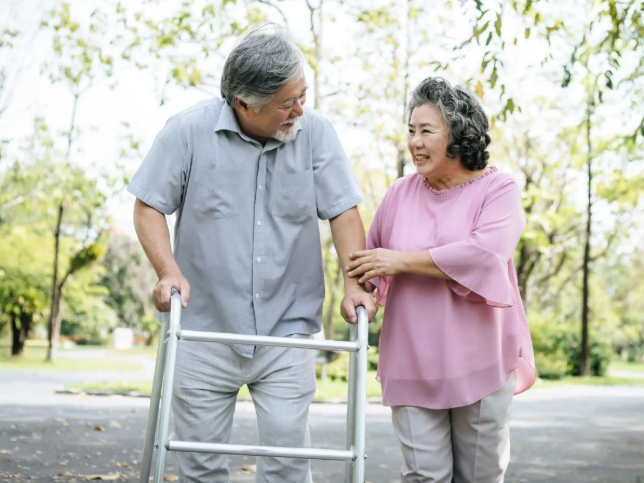
My neighbor’s father fell in her home’s bathroom 2 years ago while picking up a towel that had fallen on the floor. He suffered no injuries, but his fall had a huge impact on his family and their home. Simple activities that they had always done before, like walking around on the floors, sitting in deep armchairs and sofas, and navigating dark hallways, were now hazardous. The simple act of picking up a towel had changed how they viewed their home.
Homes are designed and retrofitted with the aging in mind very infrequently. Most homes are designed with the ‘perfect child’ in mind – the child that has not yet felt the creak of the stairs under their feet; the wobbly of their first bike; the strain of moving objects up and down flights of stairs. As people get older, homes are often designed for and retrofitted for the forty-year old who has not yet felt the strain of their knees; the creak of their back; the loss of grip in their hands over time. The changes that happen to our bodies as we get older occur over a long period of time and often go unnoticed until it is too late. But the gap between the forty-year-old ‘perfectly fine’ person and the seventy-five year old ‘at risk’ person is small. With many simple fixes, homes can be made safe for seniors.
Start where people actually get hurt
When mapping out areas where the senior population gets hurt in the home, two of the primary rooms are the bathroom and bedroom. These are the spaces where the senior lives and operates within his or her environment throughout the day.
First, are the grab bars in the bathroom going to hold the person. There are many situations where grab bars are installed and fail. Typically this is due to improper installation of the grab bar. Grab bars installed in beside toilets need to be installed at a height where the person can push down on the bar with their stronger muscles while standing over the toilet. This is the more natural position for a person to get up from the toilet.
Getting in and out of bed can be very challenging for some people. For people with hip replacements, people with lower back pain, and people with weak muscles that have been deteriorating over time, simple tasks can become very difficult. A bed rail such as an ANCHORLINK bed rail can assist people to transfer in and out of bed by giving them a stable point to push off of. This allows people to transfer independently.
See also: How Technology Is Reshaping Educational Technology Platforms
The furniture problem nobody talks about
Deep, soft sofas are great for twenty minutes. After that they become a torture device that requires greats amounts of quad strength and core stability to extricate yourself from. People recover from surgery in these. People use to sit on these kind of sofas and watch TV for hours. Now they are torture devises that people avoid.
Most homes are not set up with aging bodies in mind. Simple fixes, that cost very little to implement, can make a huge difference to the mobility of someone with declining strength. For example, deep, soft sofas are very comfortable for about 20 minutes, after which they become a trap for people with weak quadriceps and core muscles. Chairs with high seats and armrests that are at the correct height can make it much easier for people to get up and down from a seated position. Sitting on firm chairs as opposed to couches and positioning the bed so that you can sit on the floor with your feet flat is also effective for reducing the amount of work required to move around the home.
Lighting is doing more work than you think
People are often more likely to trip in low light, as the lens of the eye changes with age, becoming stiffer and yellower. This means that people with aging eyes need more light to see to perform tasks than do people of advanced age. The typical home is not well lit and most people are unaware of the deficit until a problem occurs. One of the least expensive and most effective ways to deal with falls in a home is to add more light. In particular, motion sensitive night lights can be very effective to illuminate hallways and the bathroom when they are needed most.
The smart home systems and wellness apps can do nothing to assist someone half asleep making their way to the bathroom in the middle of the night. However, a simple night light, either hardwired or battery powered, that automatically turns on and off with the presence of a body will.
Quick wins worth doing this weekend
- Remove or tape down loose rugs, especially near doorways and the base of stairs
- Relocate frequently used kitchen and bathroom items to counter height so there’s less reaching and crouching
- Add a sturdy step stool with a handle for anything that genuinely can’t be moved
- Check that stair railings are actually secure and run the full length of the staircase — not just halfway down, which is somehow common
A Quick Comparison of Common Mobility Aids
I think it’s worth doing a bit of research to compare the mobility aids on the market. Here is a rough guide of how different aids might be used in different circumstances.
| Aid or modification | Best for | Approximate cost range |
| Grab bars (bathroom) | Toilet transfers, shower entry | $30–$120 installed |
| Bed rail | Getting in and out of bed independently | $40–$150 |
| Motion-sensor night lights | Nighttime navigation, fall prevention | $10–$40 for a set |
| Raised toilet seat | Hip and knee pain, post-surgery recovery | $25–$80 |
| Non-slip bath mat | Wet surfaces in bathroom or kitchen | $15–$50 |
One thing most people overlook
So far we have talked about the physical aspects of a home and the modifications needed to assist seniors with mobility issues. But there are many simple modifications that can help as well. These items are just as important to consider when trying to create a safe home for seniors. Many of these modifications are less expensive than their alternative of installing physical modifications to a home. They can also be a first step or interim solution for a senior until more permanent solutions can be installed. A great example of a simple cost effective solution for falls is indoor footwear. We often overlook the role that footwear can play in falls when we are in our home. The simplest pair of socks on a hardwood floor can increase a person’s risk for a fall. And slippers and shoes with good tread can decrease a senior’s risk of falls. Sometimes the simplest solution is the best one.
(Which brings me back, oddly, to that bathroom where my neighbor’s father fell. He was wearing socks. She mentioned it later, almost as an aside, like it didn’t count as the real cause. But it might have been exactly that.)
Modifying a home to remove obstacles and to make living easier and safer for its older inhabitants does not have to mean transforming the home into a hospital or health care facility. All homes, regardless of their age, can have raised bed bases, grab bars on walls, and even be decorated in a more sterile fashion. But these are not the kinds of modifications that are needed or simple to achieve. Instead, there are many simple and inexpensive solutions that can be put into place before anything serious goes wrong.