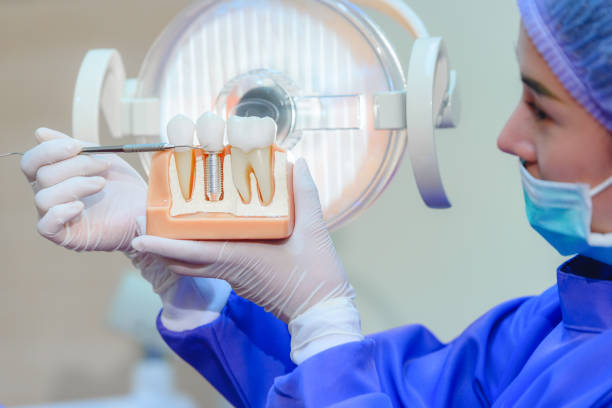
Missing teeth can affect your ability to chew comfortably, speak clearly, and feel confident about your smile. Fortunately, modern dentistry offers several tooth replacement options, including dental implants that provide a stable foundation for artificial teeth. However, choosing the right dental professional is an important step toward achieving a safe and satisfactory treatment outcome.
Finding a top dental implant provider involves more than comparing prices or looking at photographs of completed treatments. Patients should consider professional qualifications, clinical experience, treatment planning, hygiene standards, available options, and ongoing care. Understanding these factors can help you make an informed decision and choose a provider who understands your dental needs.
Why Choosing the Right Dental Implant Provider Matters
Dental implant treatment involves careful planning, a surgical procedure, and a healing period. The implant must integrate with the jawbone and support a suitable replacement tooth. Each stage requires appropriate assessment and attention to detail.
An experienced dental professional can evaluate your oral health, identify potential complications, and explain whether implants are a suitable option. They can also discuss alternatives if dental implants are not the best choice for your circumstances.
Choosing an appropriate provider helps ensure that you understand the procedure, expected recovery, potential risks, and long-term maintenance requirements before committing to treatment.
Important Qualities to Look for in a Dental Implant Provider
Not every dental practice offers the same services or approach to implant treatment. Evaluating a few essential qualities can help you identify a provider who is well suited to your needs.
1. Check Qualifications and Clinical Experience
Start by reviewing the dentist’s professional qualifications, registration, and relevant training in implant dentistry. Depending on your location, implant treatment may be provided by appropriately trained general dentists, specialists, or a team of dental professionals.
Ask about their experience with cases similar to yours, especially if you need several implants, a full-arch restoration, or treatment involving bone loss.
Experience alone does not guarantee success, but relevant training and a clear explanation of the proposed treatment can help you assess whether the provider is appropriate for your case.
2. Review Treatment Options
A suitable dental implant provider should explain the treatment options available rather than recommend the same procedure to every patient.
Depending on your oral health, possible options may include:
- Single dental implants to replace individual missing teeth.
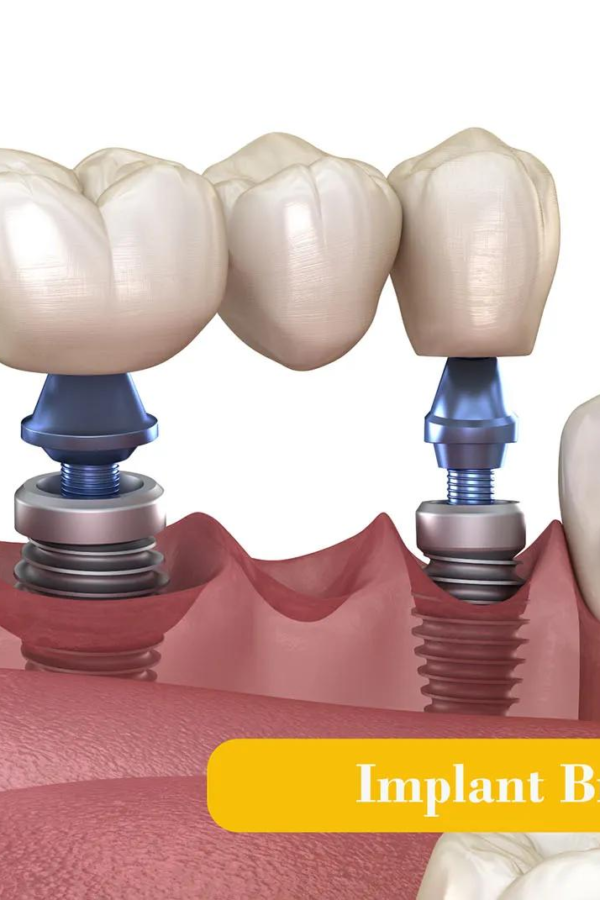
- Implant-supported bridges to replace several missing teeth.
- Implant-supported dentures for patients missing multiple teeth.
- Full-arch implant restorations for patients who have lost most or all teeth in an arch.
Your dentist should explain the benefits, limitations, likely treatment duration, and maintenance requirements of each suitable option.
3. Look for Comprehensive Dental Assessments
A detailed assessment is essential before implant placement. The dentist should examine your teeth, gums, bite, and jawbone to determine whether the proposed treatment is appropriate.
Diagnostic imaging, including dental X-rays or three-dimensional scans, may be recommended when clinically necessary. These assessments help evaluate bone volume, implant positioning, and nearby anatomical structures.
A Top Dental Implant Provider should also consider your medical history, medications, smoking habits, and other factors that may influence healing.
If gum disease or other oral health problems are present, these may need to be managed before implant treatment begins.
Questions to Ask Before Choosing a Provider
Before proceeding with treatment, prepare a few questions to help you understand what the provider offers and what you can expect.
What Is Included in the Treatment Plan?
Ask for a clear explanation of each stage, from the initial consultation and implant placement to the final crown or denture.
Find out whether the proposed plan includes diagnostic imaging, temporary teeth, follow-up appointments, and any additional procedures that may be necessary.
Understanding the full treatment plan helps you compare providers fairly and reduces the likelihood of unexpected expenses.
What Are the Possible Risks and Complications?
Dental implant treatment can be successful for many patients, but it is not suitable for everyone and does carry risks.
Potential complications include infection, delayed healing, nerve injury, damage to nearby structures, and failure of the implant to integrate with the bone. Problems affecting the surrounding gums and bone can also develop later.
A responsible provider should explain these risks in language you understand and describe how complications would be assessed and managed.
How Long Will the Treatment Take?
The treatment timeline varies according to the patient’s oral health, bone quality, and the complexity of the procedure.
Some patients may require tooth extraction, bone grafting, or treatment for gum disease before implants can be placed. After surgery, a healing period is often needed before the final restoration is attached.
Ask for an estimated timeline that accounts for your individual circumstances rather than relying on a fixed timeframe.
Understanding the Cost of Dental Implant Treatment
Cost is an important consideration when comparing dental implant providers. However, the lowest advertised price does not necessarily represent the best overall value.
The total cost may depend on the number of implants required, the materials used for the restoration, the complexity of surgery, and whether additional procedures are necessary.
Diagnostic imaging, temporary restorations, consultations, and follow-up care may also affect the final amount.
When requesting a quote, consider the following factors:
- Treatment inclusions: Check whether the quote covers the implant, abutment, final crown or denture, and necessary appointments.
- Additional procedures: Ask whether bone grafting, extractions, or gum treatment may involve separate charges.
- Payment arrangements: Find out whether payment plans or staged payments are available.
- Maintenance costs: Understand the ongoing expenses associated with examinations, professional cleaning, and possible repairs.
Request an itemised written estimate and ask how unexpected complications or replacement components would be handled.

The Importance of Technology and Treatment Planning
Modern dental technology can support accurate assessment and implant planning. However, technology should be used according to clinical need rather than treated as a guarantee of better results.
Digital imaging can help the dentist evaluate jawbone anatomy and plan the position of an implant. In selected cases, computer-guided planning may assist with placing implants according to the treatment plan.
Careful planning also considers the appearance of the final teeth, gum contours, bite alignment, and ease of cleaning.
When discussing treatment, ask how the dentist plans to achieve a functional result that suits your oral health and individual requirements.
Patient Reviews and Recommendations
Patient feedback can provide useful information when researching dental implant providers. Reviews may help you understand patients’ experiences with communication, appointment scheduling, staff support, and follow-up care.
However, reviews should be considered alongside professional qualifications and the quality of the proposed treatment plan. Online ratings alone cannot establish clinical competence or guarantee a successful outcome.
You can also ask friends or family members about their experiences with dental implant treatment. If possible, look for feedback that discusses the entire treatment process rather than focusing only on the final appearance.
During your consultation, pay attention to whether the dentist listens to your concerns, answers questions clearly, and gives you enough time to consider your options.
How to Prepare for Your Dental Implant Consultation
Preparing for your appointment can help you make the most of the consultation.
Bring a list of current medications, relevant medical information, and details of any previous dental treatments. If you have recent dental records or imaging, ask whether these would be useful.
Write down your main concerns, such as difficulty chewing, missing front teeth, discomfort from dentures, or the appearance of your smile.
It is also helpful to ask about recovery, dietary restrictions, oral hygiene, and the number of follow-up appointments you may need.
A good consultation should leave you with a clear understanding of your options without pressure to make an immediate decision.
Maintaining Your Dental Implants for Long-Term Results
Choosing the right provider is only one part of successful implant treatment. Ongoing care is essential for protecting the implant and the surrounding tissues.
Brush twice daily with fluoride toothpaste and clean between your teeth every day. Your dentist may recommend additional tools for cleaning around implant-supported restorations.
Attend regular dental examinations and professional cleaning appointments so that potential problems can be identified early.
Avoid smoking where possible, as it can increase the risk of healing problems and implant complications. Contact your dentist if you experience persistent pain, swelling, bleeding, or movement around an implant.
Although implants cannot develop tooth decay, the surrounding gums and bone can still become inflamed or infected.
Conclusion
Finding the right dental professional is an important step when considering tooth replacement. A careful assessment of qualifications, clinical experience, treatment options, pricing transparency, and aftercare can help you make a more confident decision.
Choosing a top Dental Implant Provider means looking for a professional who understands your dental needs, explains the potential benefits and risks, and develops a treatment plan based on your individual circumstances.
Before proceeding, arrange a consultation, ask detailed questions, and compare suitable treatment plans. With appropriate planning, good oral hygiene, and regular follow-up care, dental implants can provide a durable and functional option for replacing missing teeth.